Cartagena Day Two

October 15, 2024

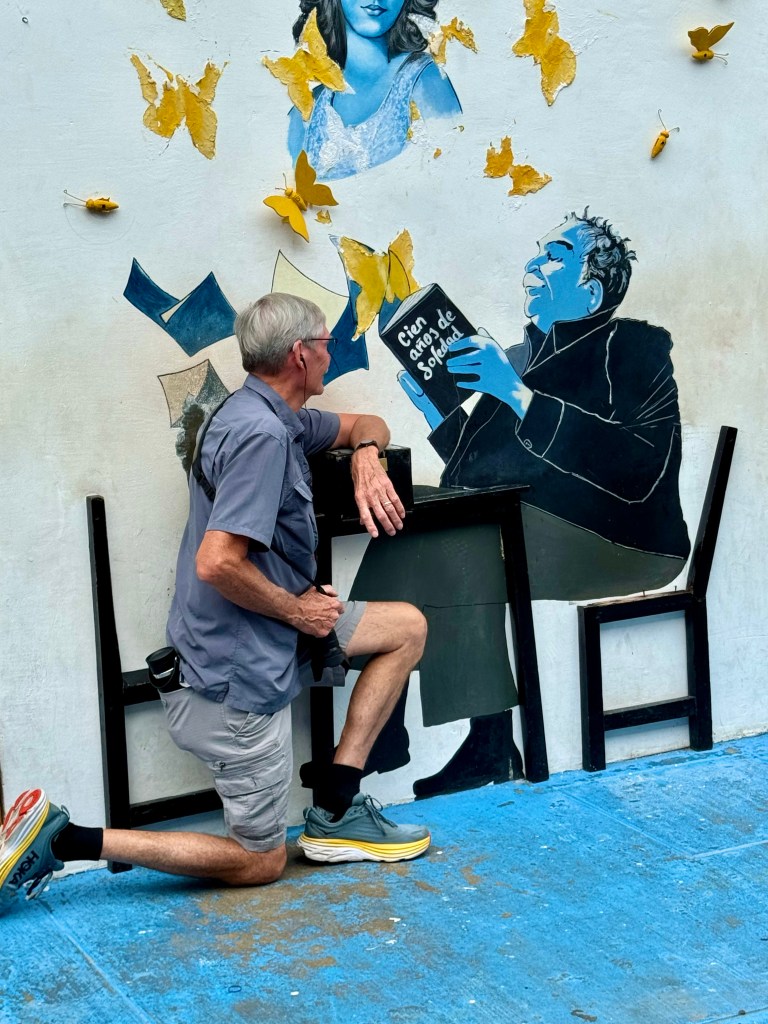
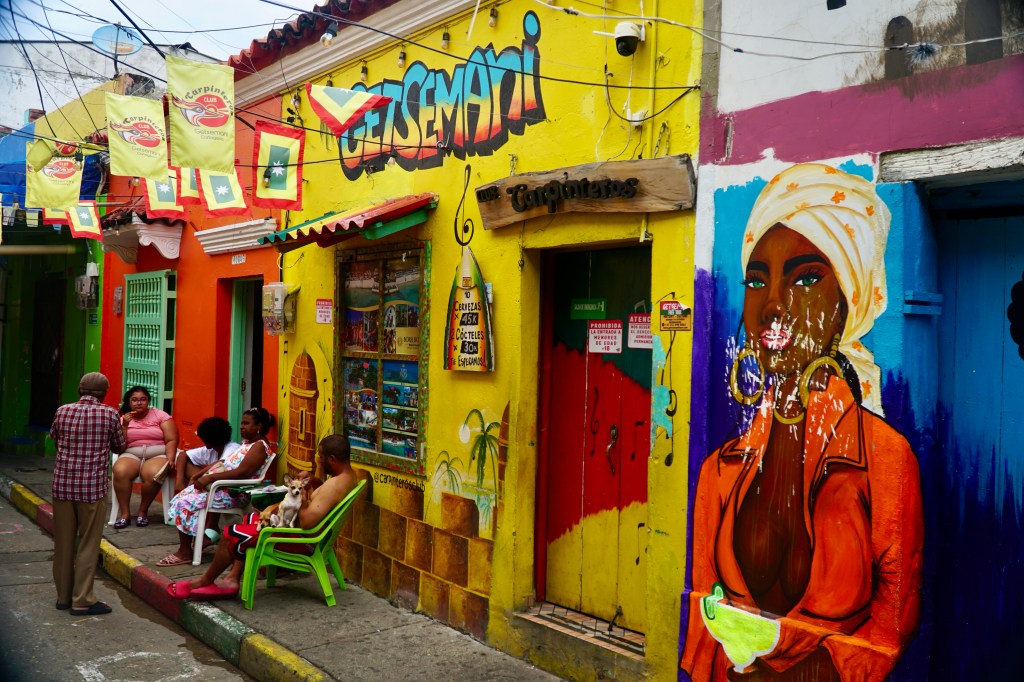
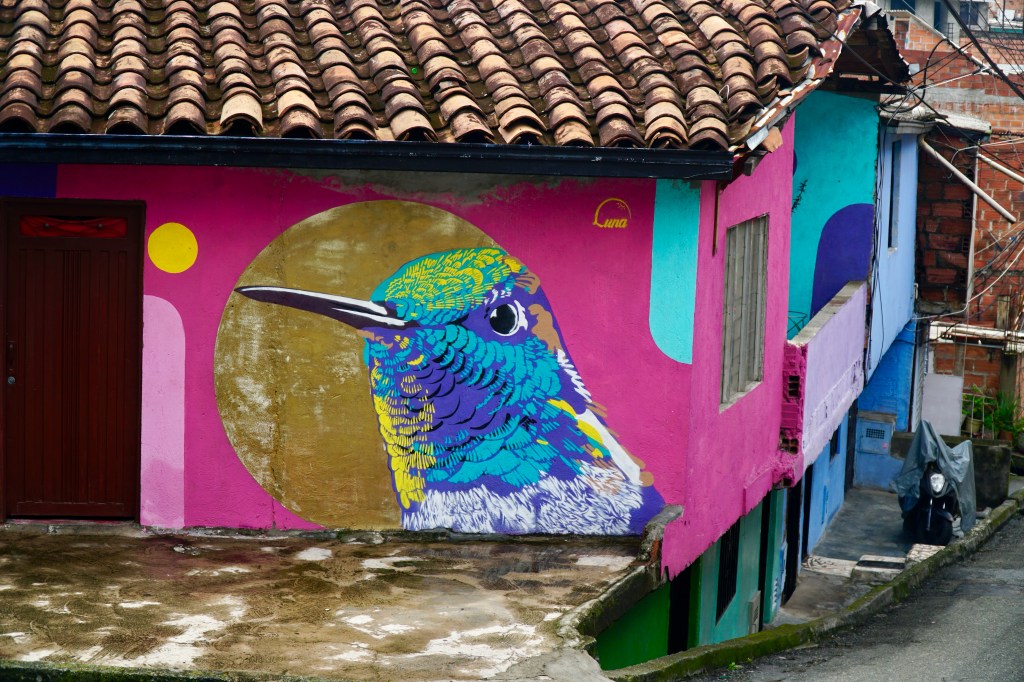
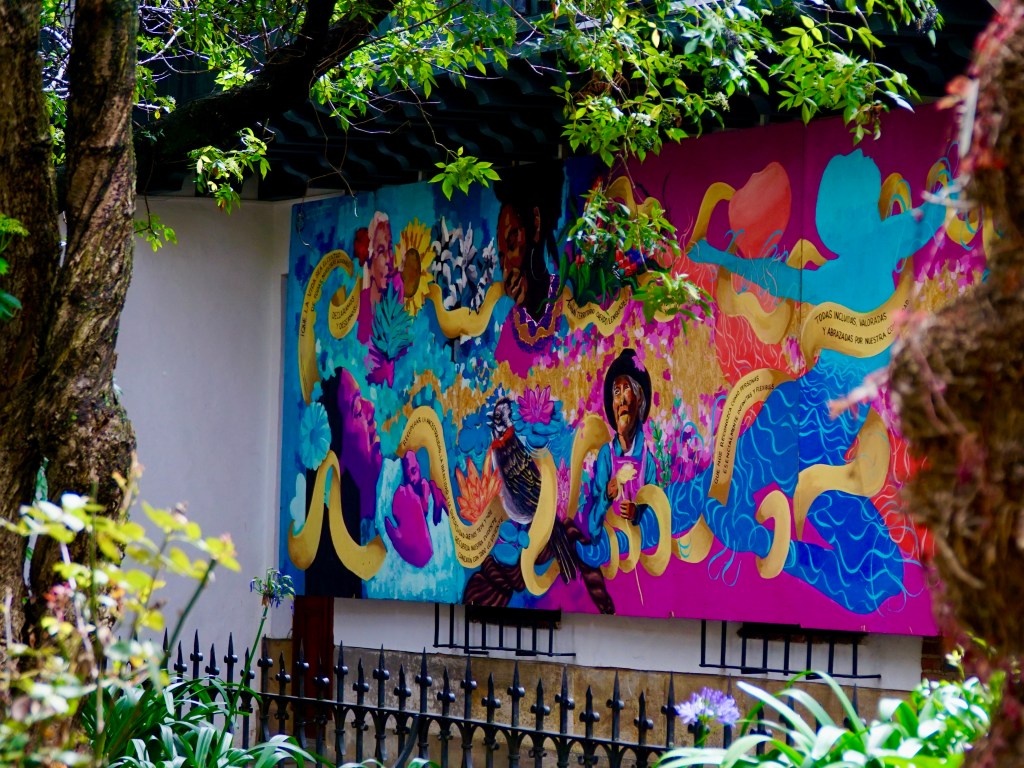
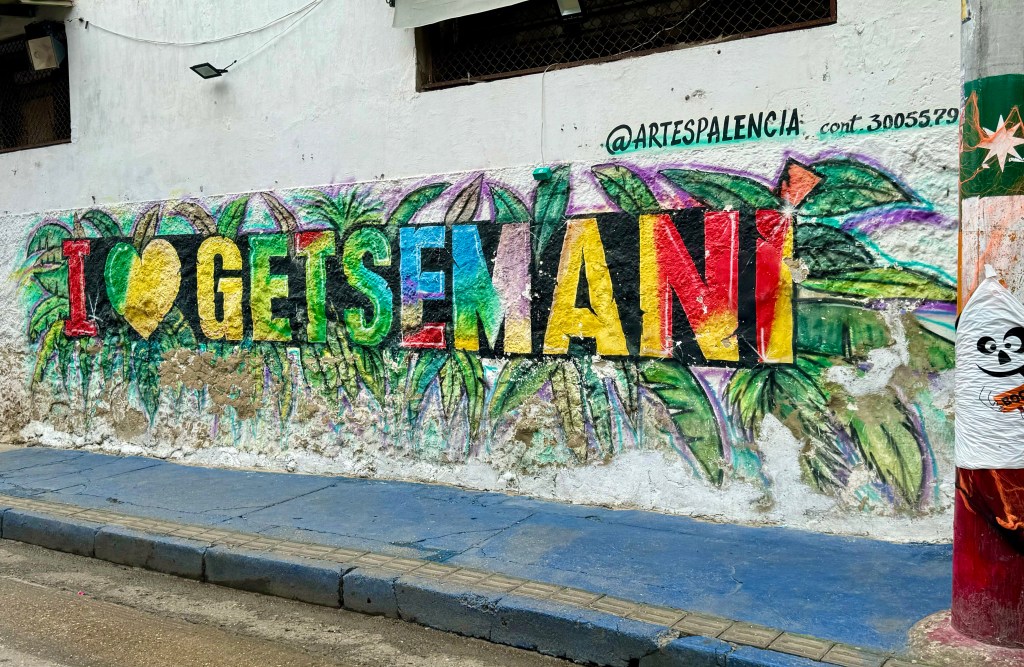
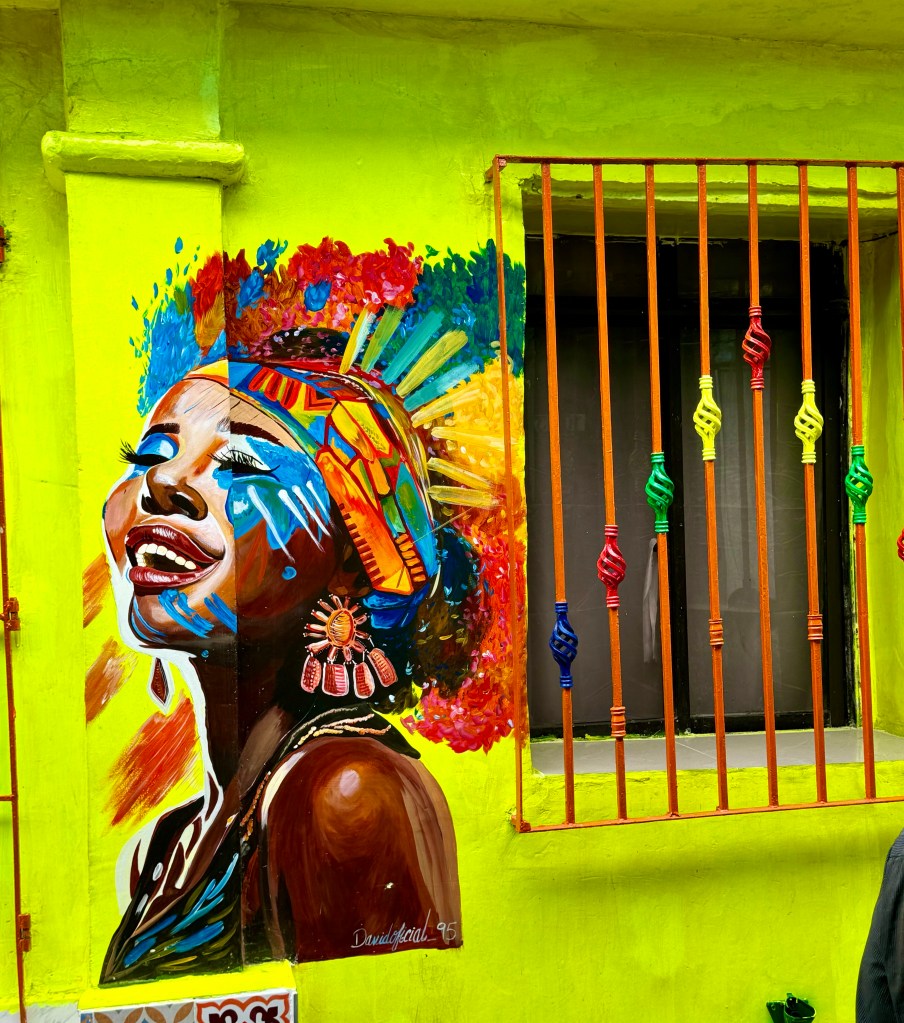
Our guide, Luis, took us on a walking tour of the Getsamani neighborhood in the walled city. Not too long ago it was a dangerous area, but now is lively with beautiful wall murals, restaurants and cafes.
After the tour we hopped on the Chiva bus. It is an old bus that has been turned into a party bus. There were three musicians playing lively music.

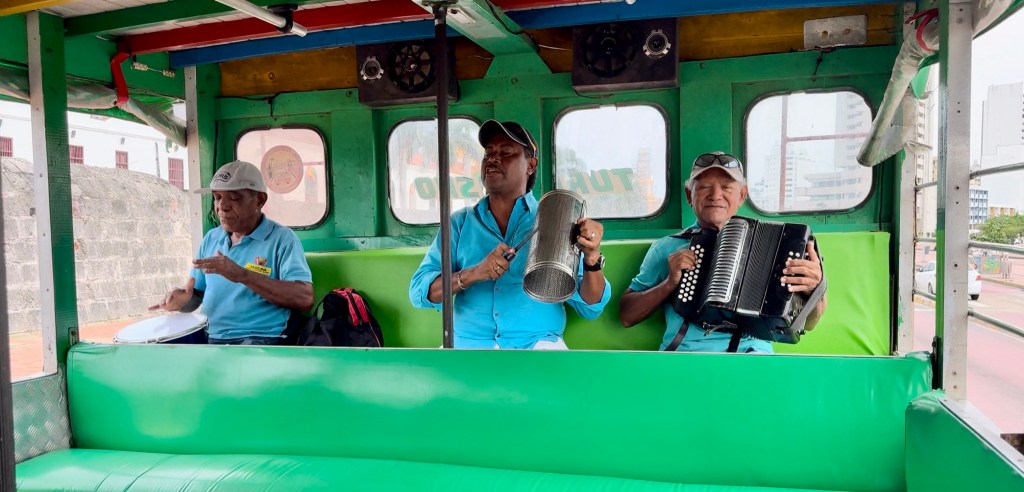
Chiva Bus
Musicians on the Chiva

The Chiva dropped us off at the village of La Boquilla. It is a village that makes a living from fishing. The people of the village are mainly of African descent and they want to preserve their way of life. The people of the village have a school for children to learn drumming and dancing Cumbria. We were given a lesson in drumming and dancing.
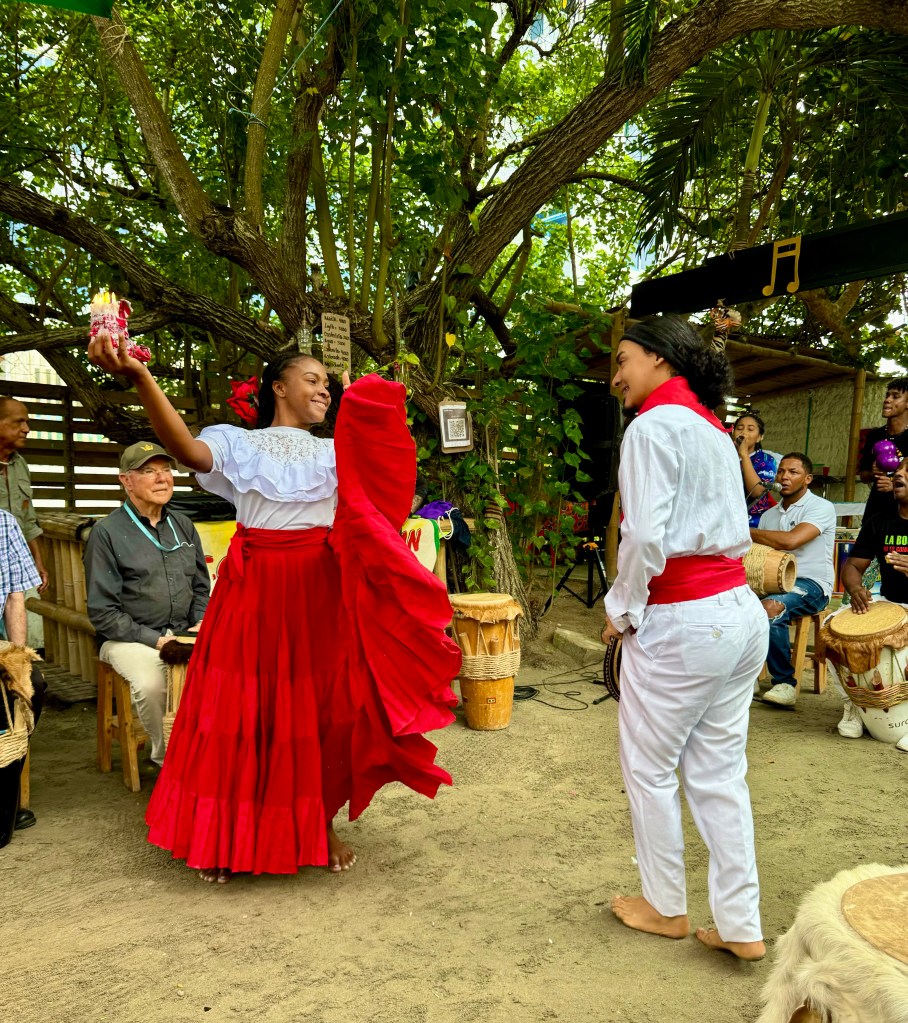
Cumbia Dance
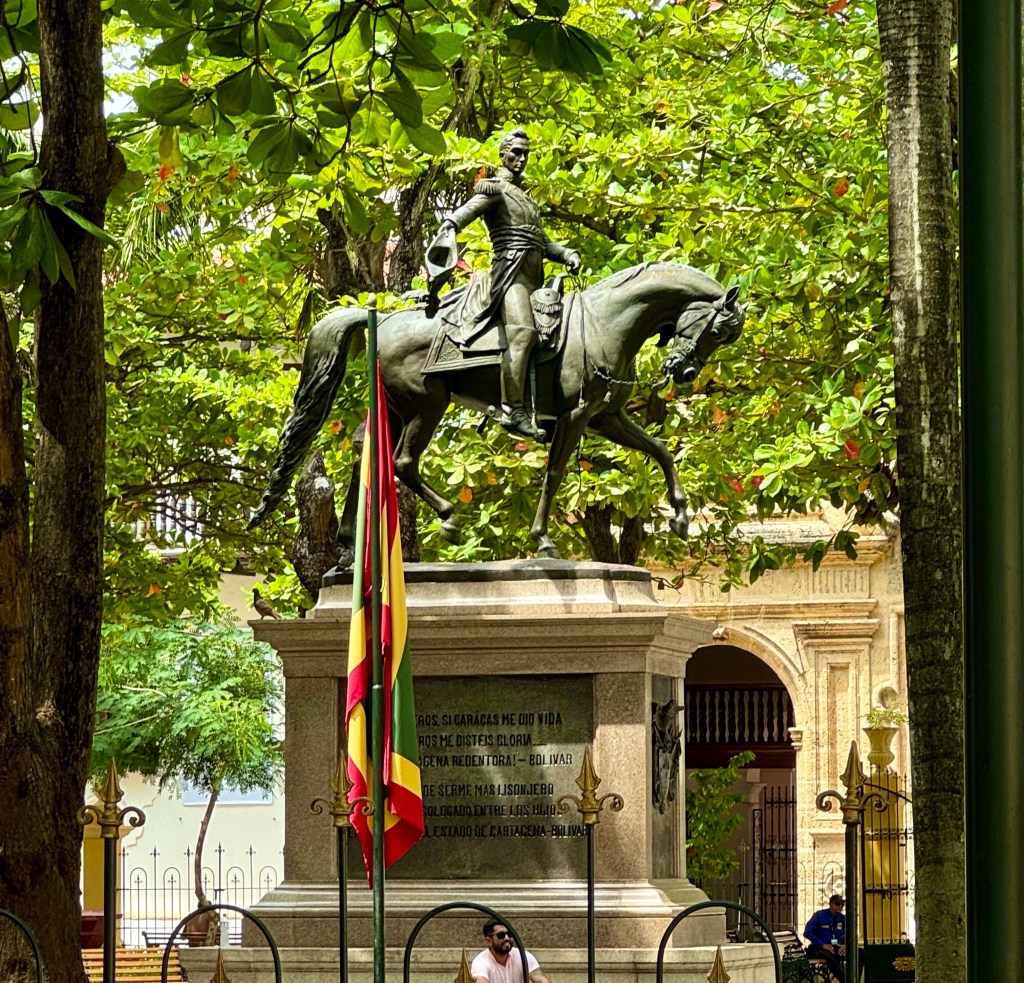
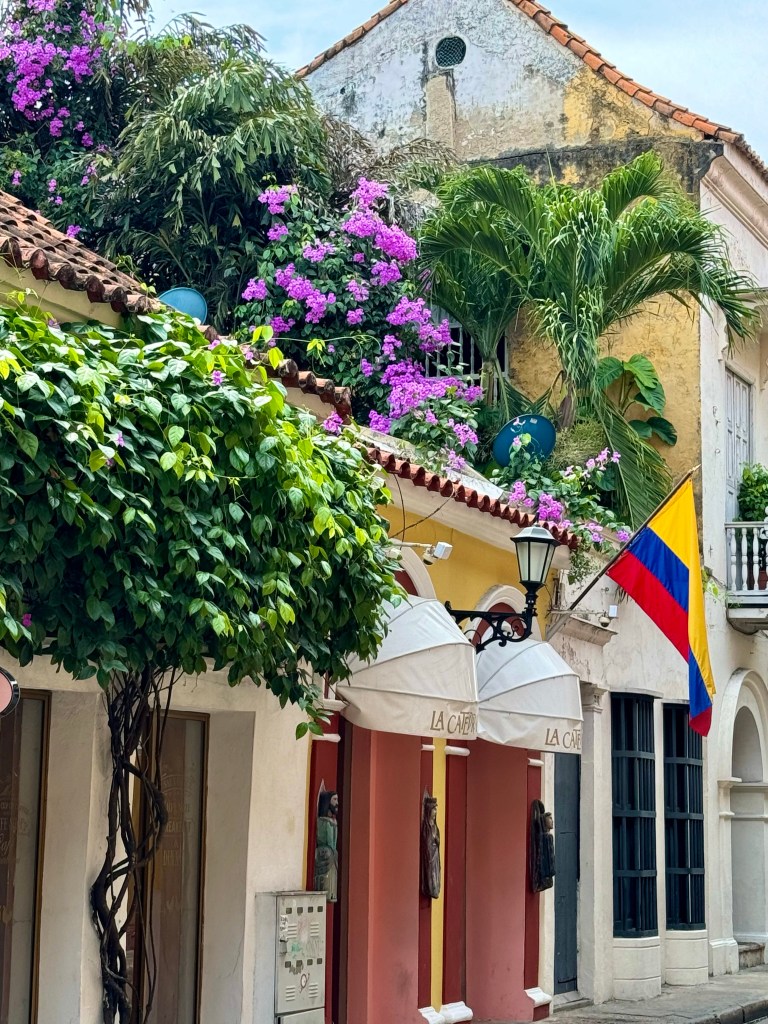
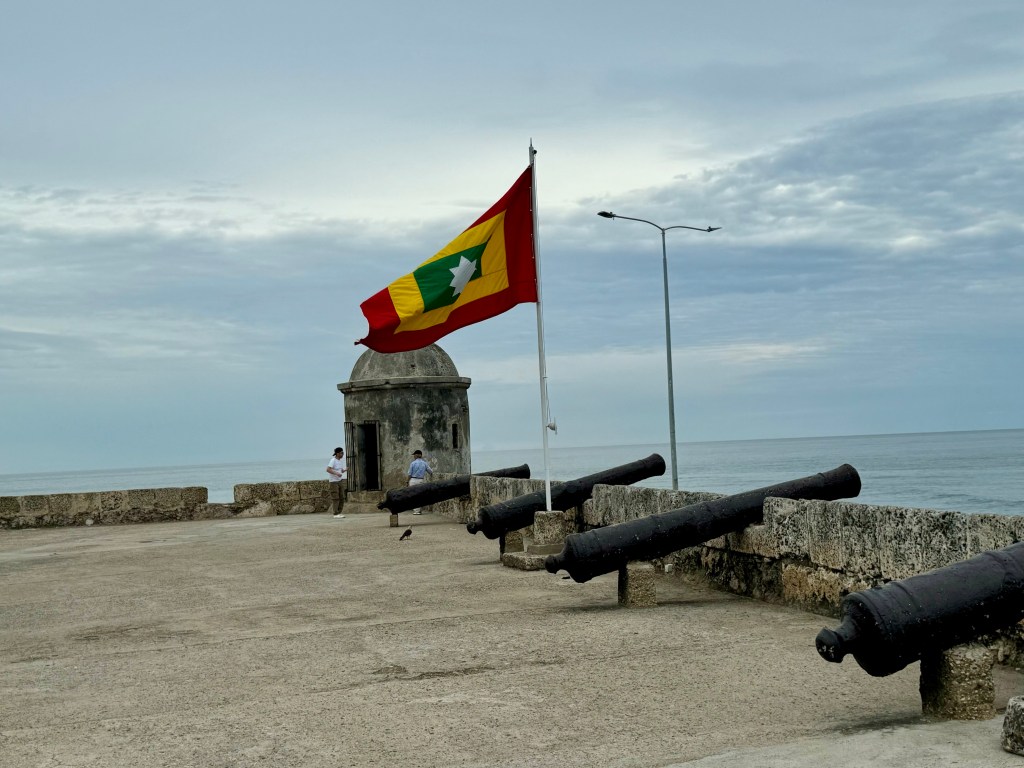
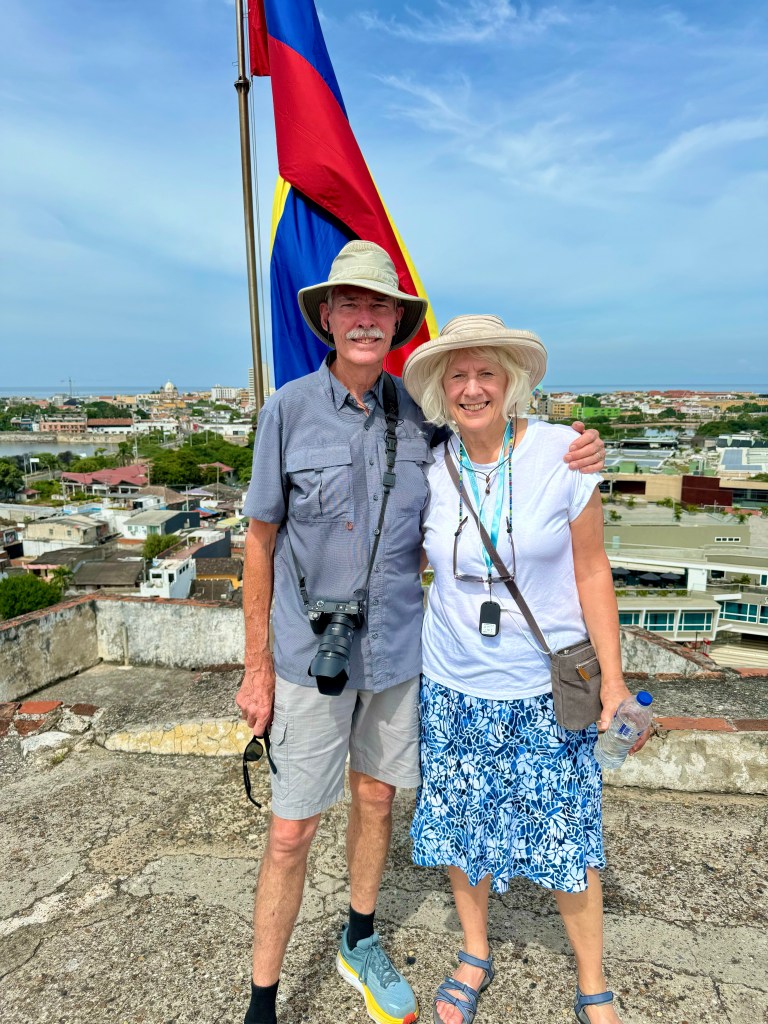
The flag of Cartagena on the wall looking out on the Caribbean Sea

We spent the afternoon walking around the walled city and walking on the wall. We took a horse carriage ride to our farewell dinner. Tomorrow we head to Ecuador.
Cartagena Day 1

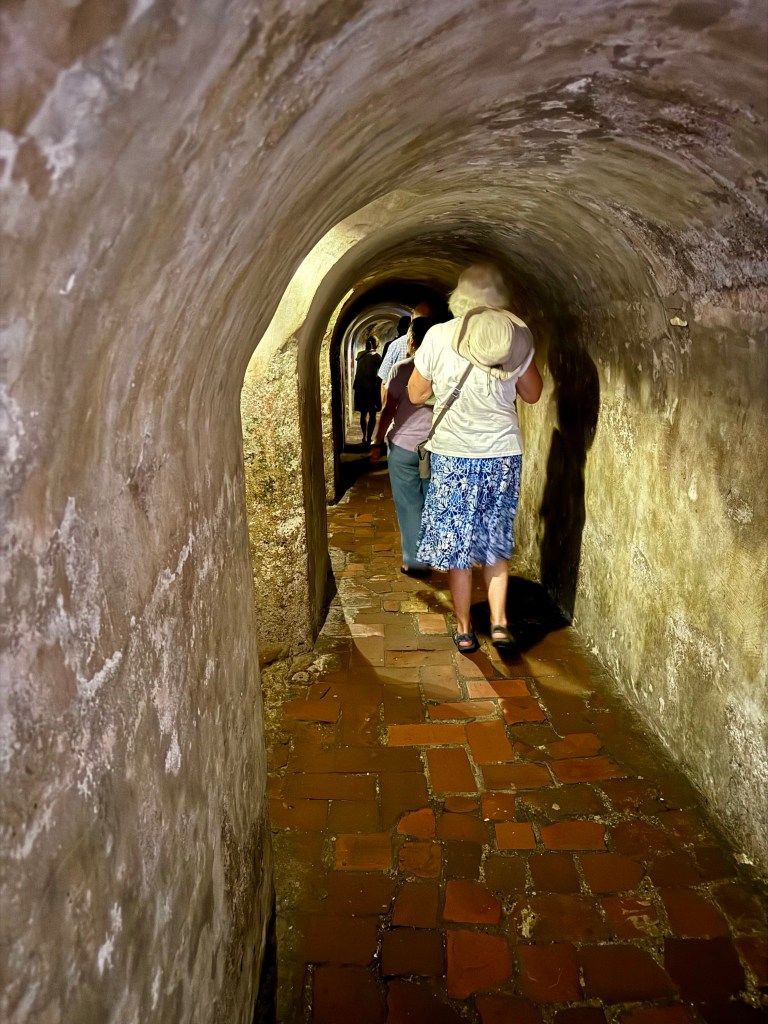
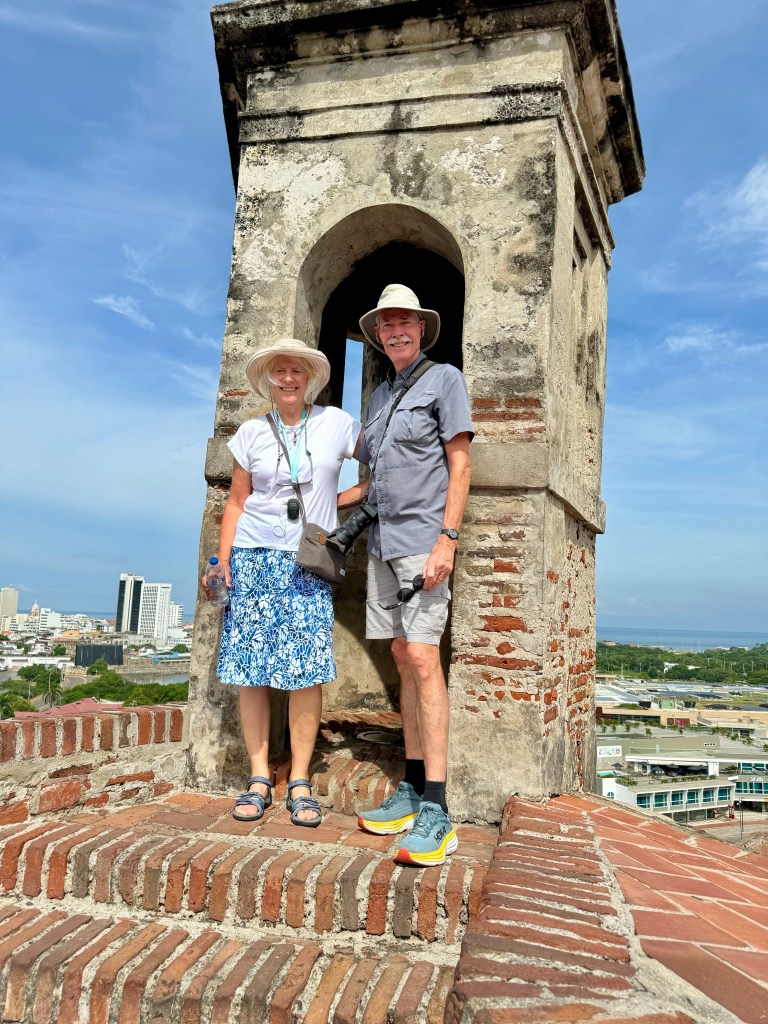
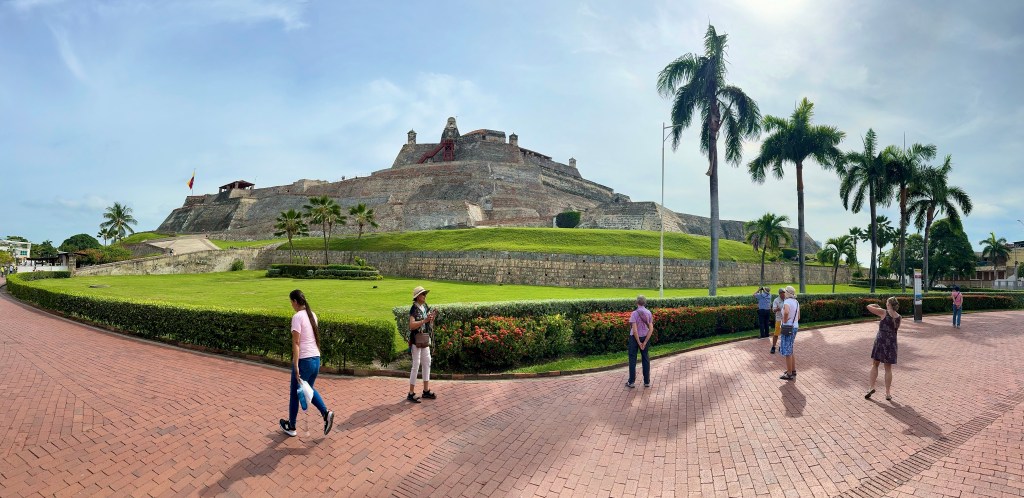
We began our day with a visit to the San Felipe Castle. This was built by the Spanish in the 17th century to protect Cartegena from a land attack.

San Felipe Castle

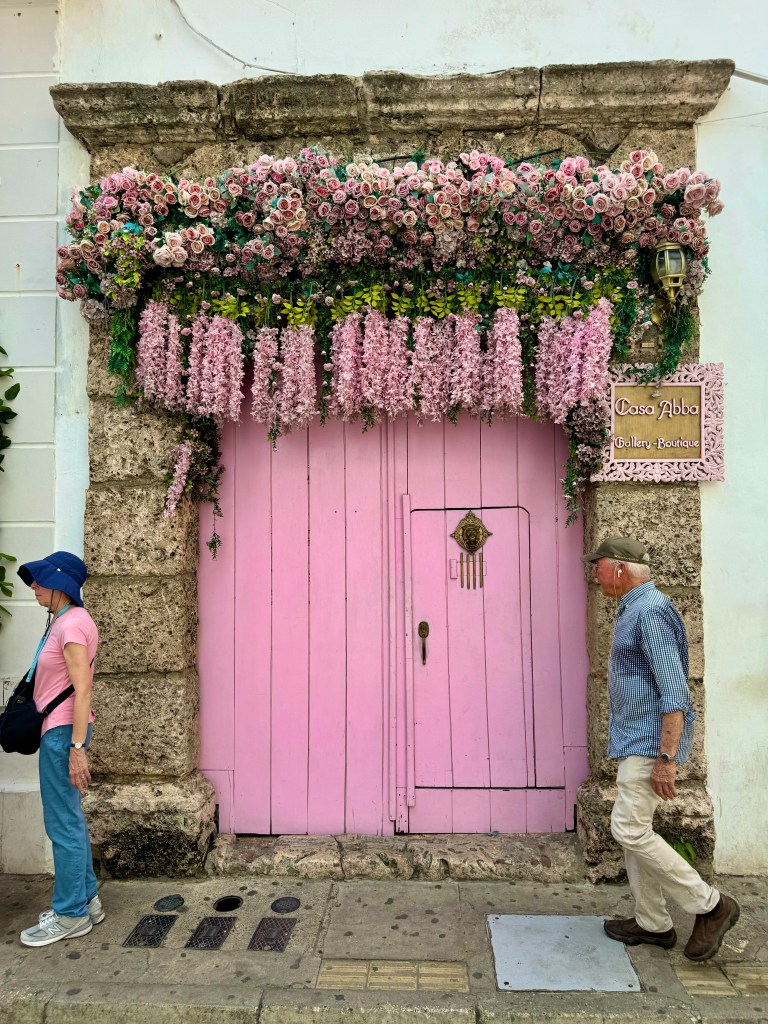
We took a walking tour around the walled, historic part of the city a UNESCO World Heritage site.

Cathedral of Santa Catalina
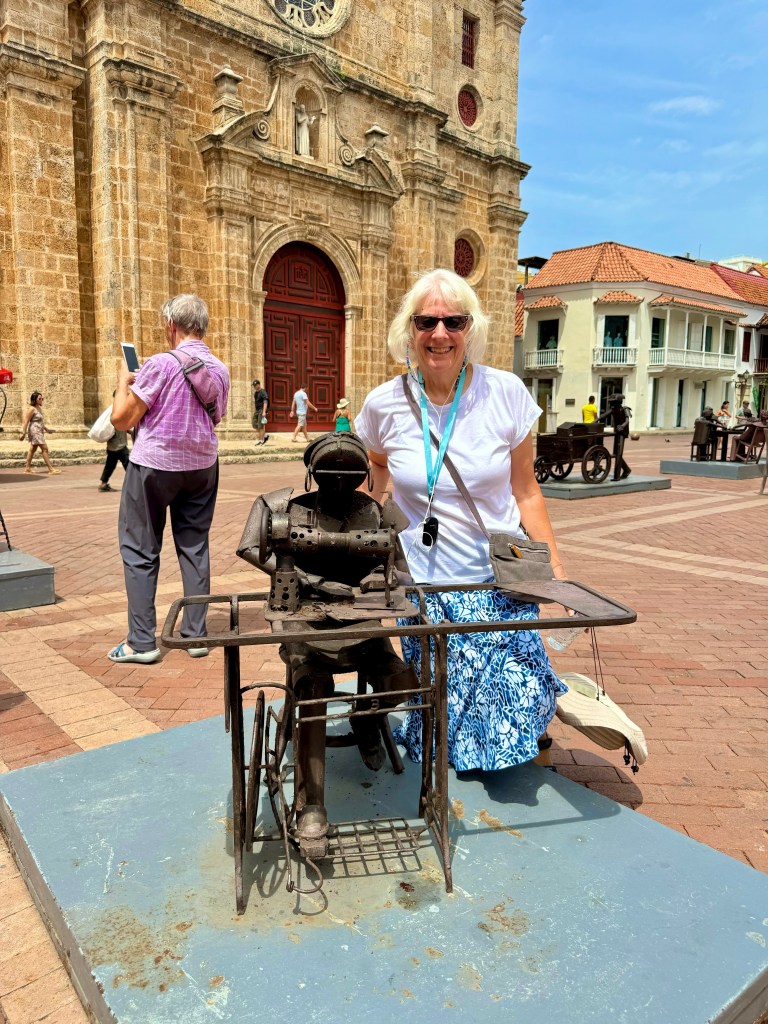
Photo with the Palenqueras

The Palenquerias are natives of San Basilio de Palenque. It was the first city of free slaves in America. These ladies make a living posing with tourists.

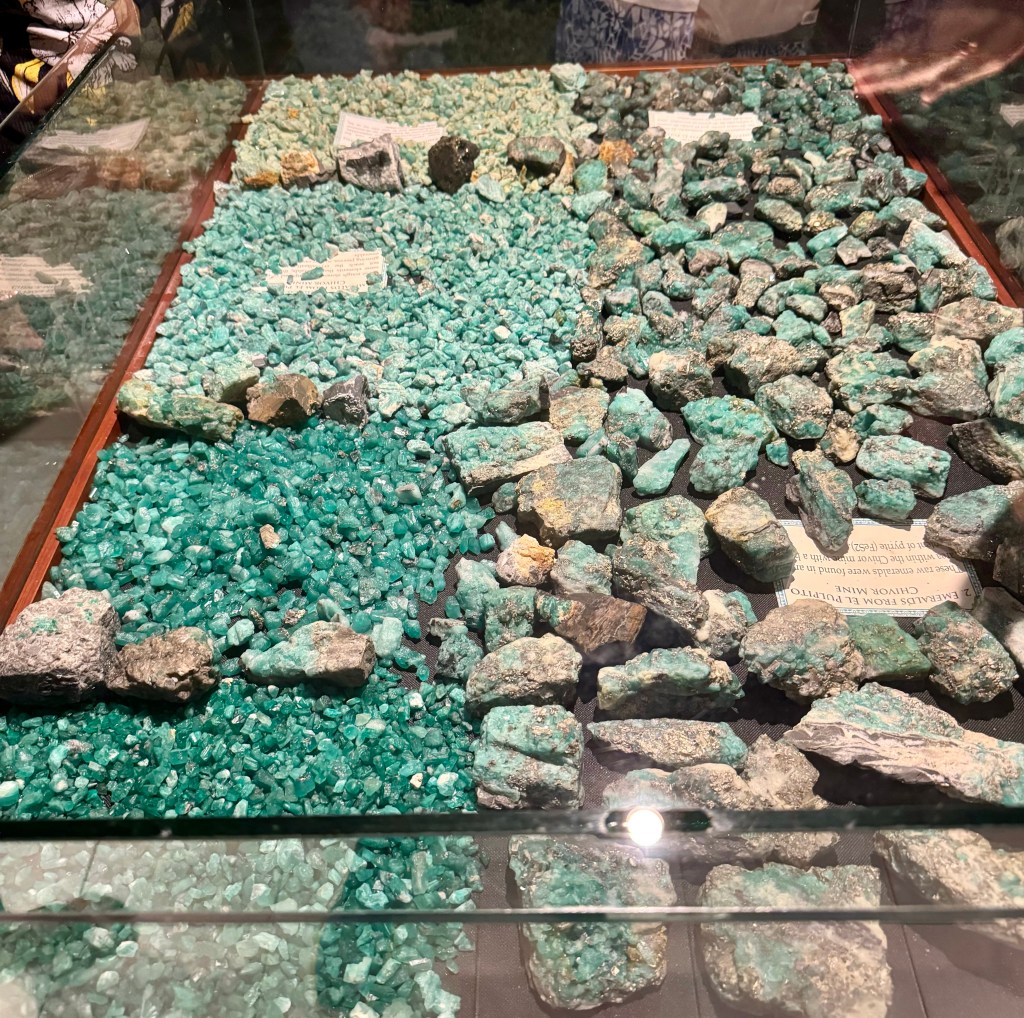
We visited an emerald museum later in the morning. Colombia is one the top three exporters of emeralds in the world.

Varieties of emeralds

Coffee Farm and Tejo in Montenegro

October 12, 2024

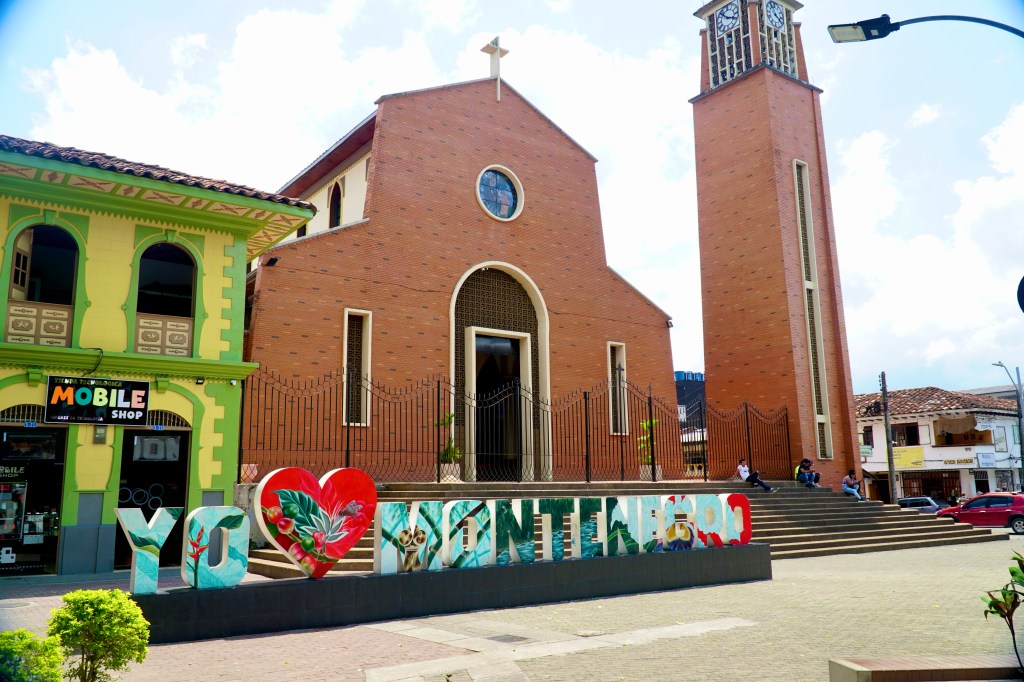
Our goal for today is to visit the Buenos Aires Coffee Farm. Before visiting the farm, we went to Montenegro and mingled with some locals on the plaza. We sampled Tinto, the local coffee from a vender in la Plaza de Bolívar. It was nice because it was not a tourist town.
San Jose Church

We road in class is Jeep Willy’s to the coffee farm.

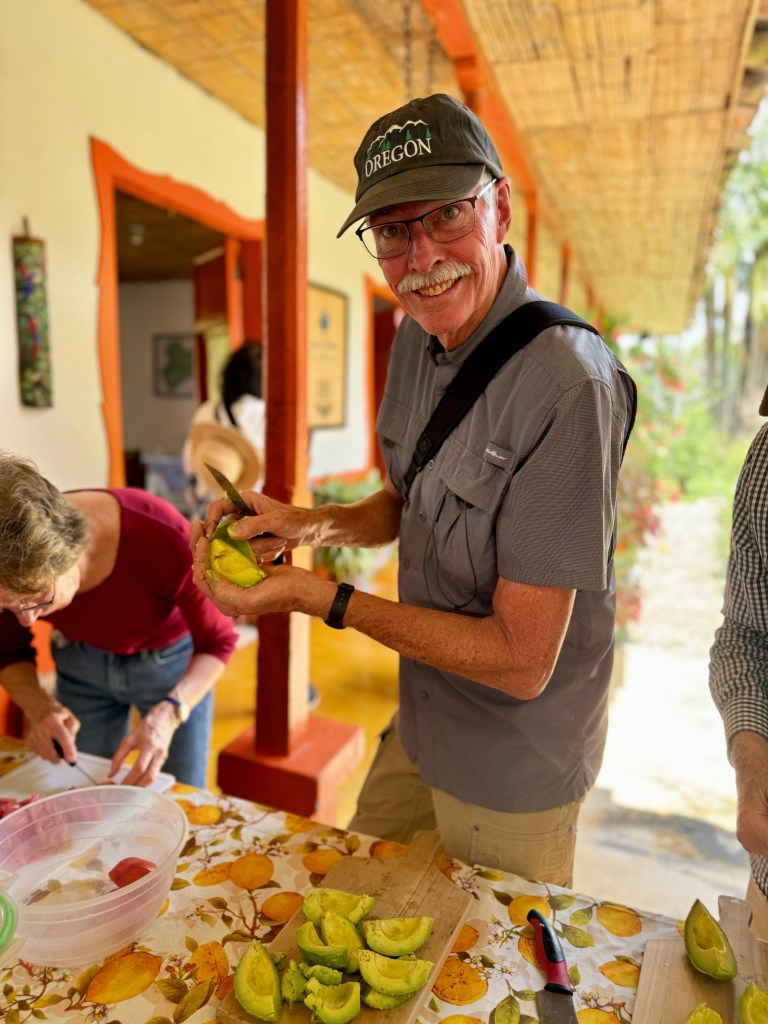
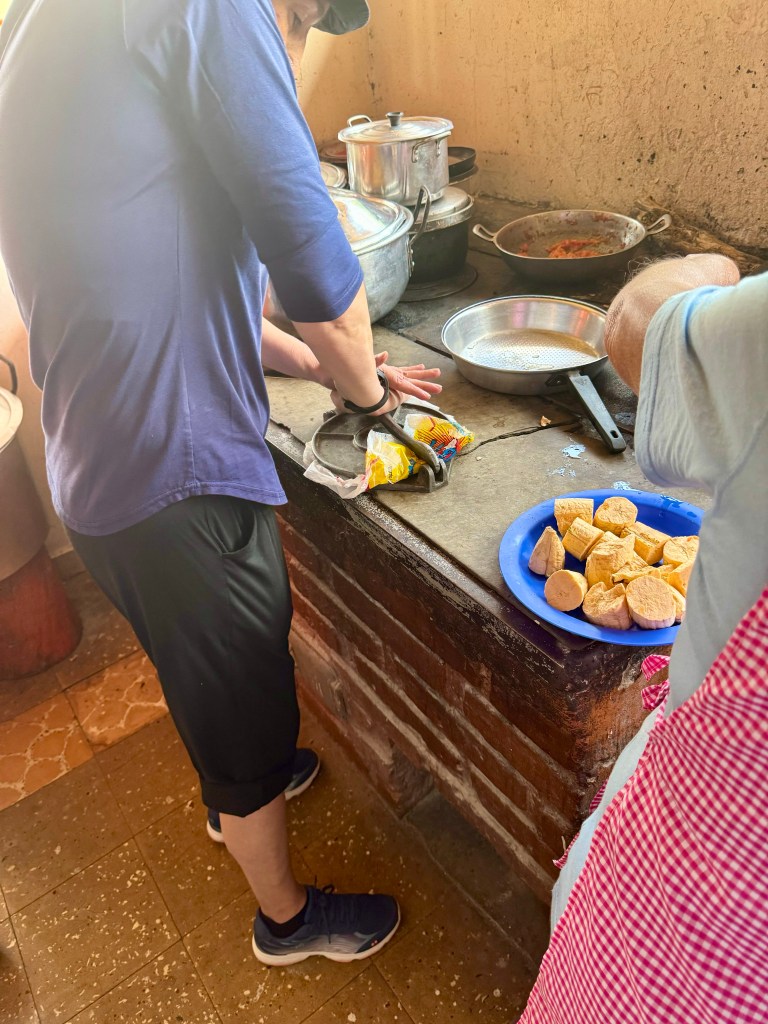
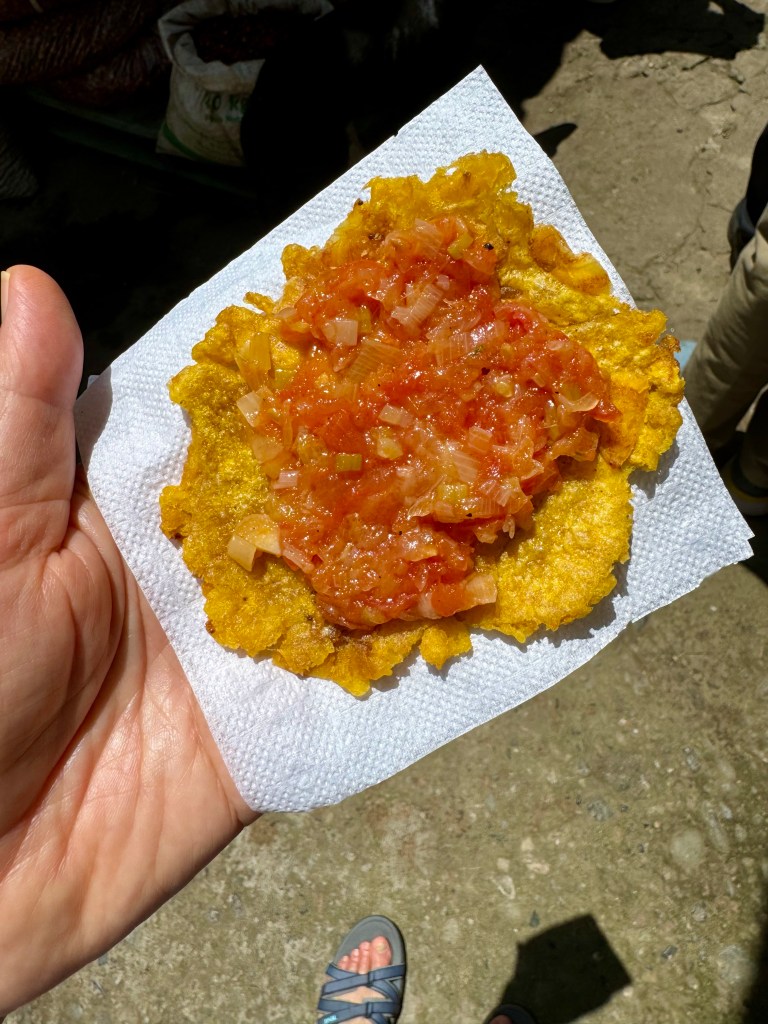
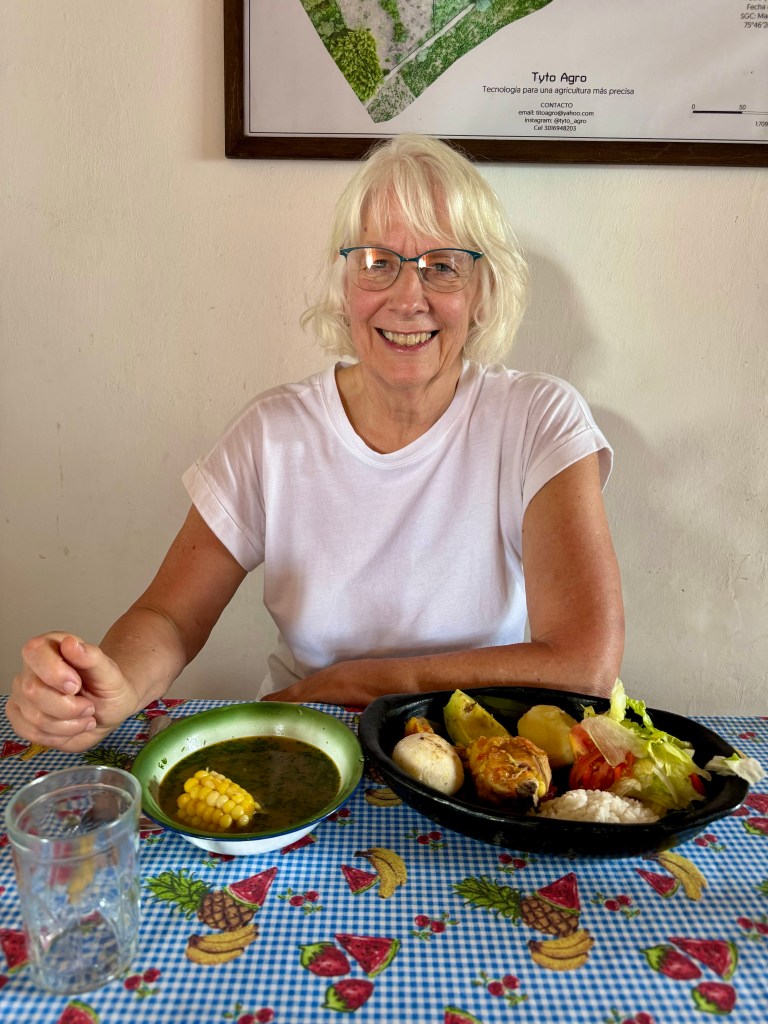
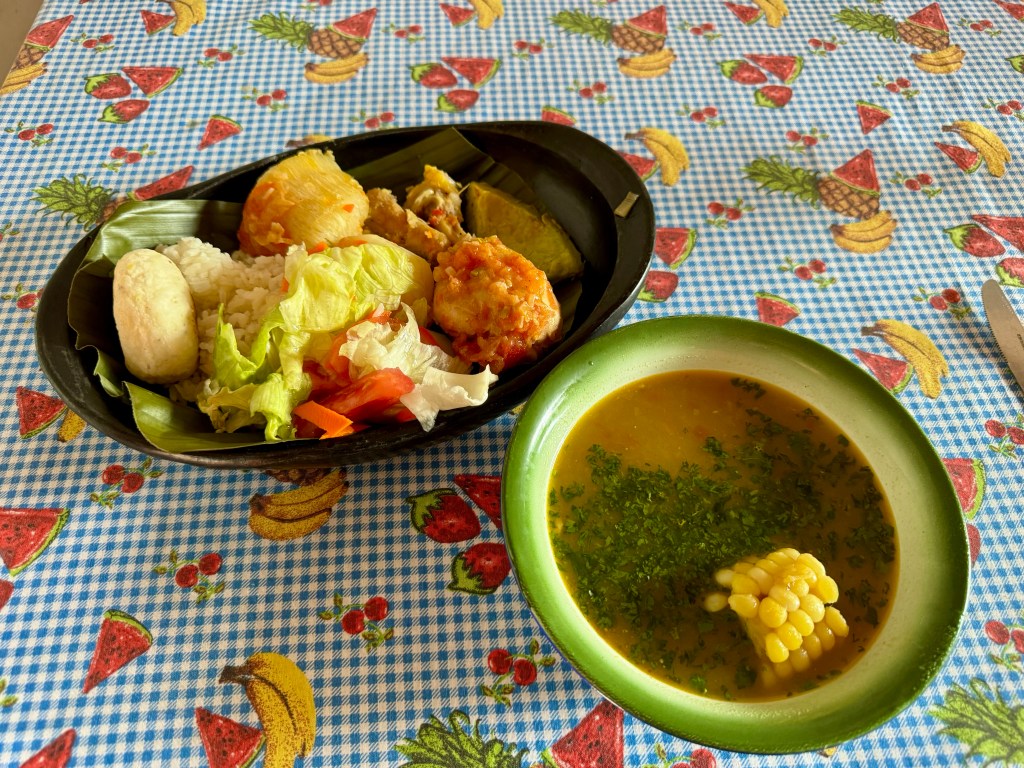
On arriving to the farm we begin by helping the family prepare lunch. We chopped vegetables for salad, made the tomato salsa, and smashed the boiled plantains for the appetizer.
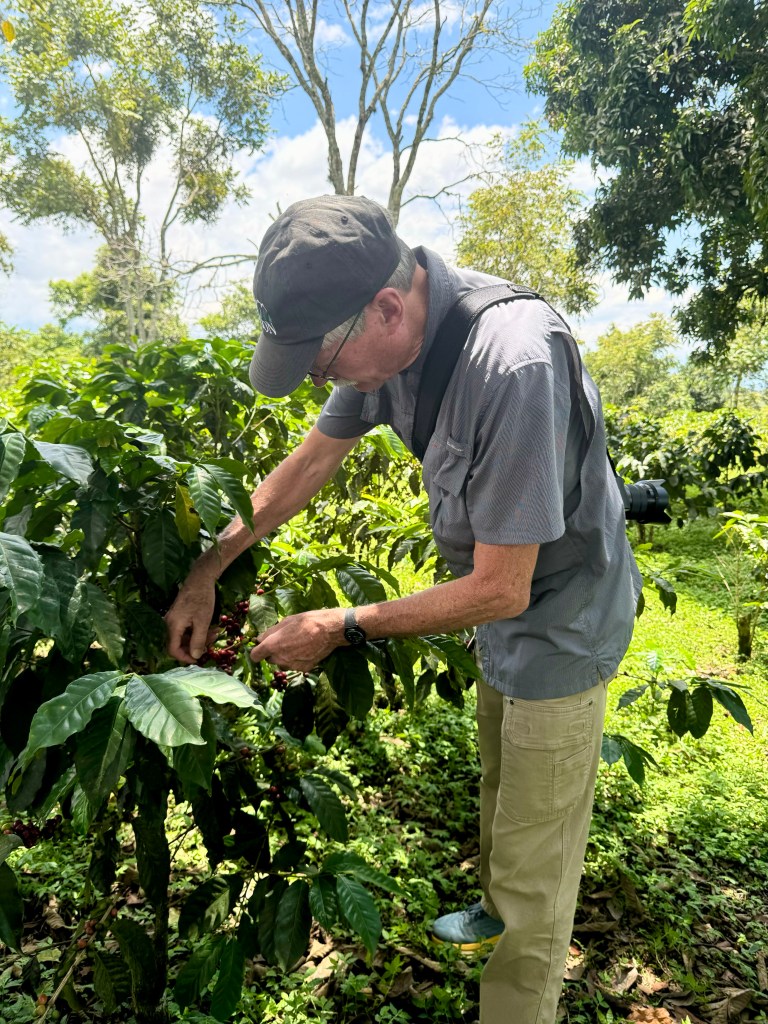
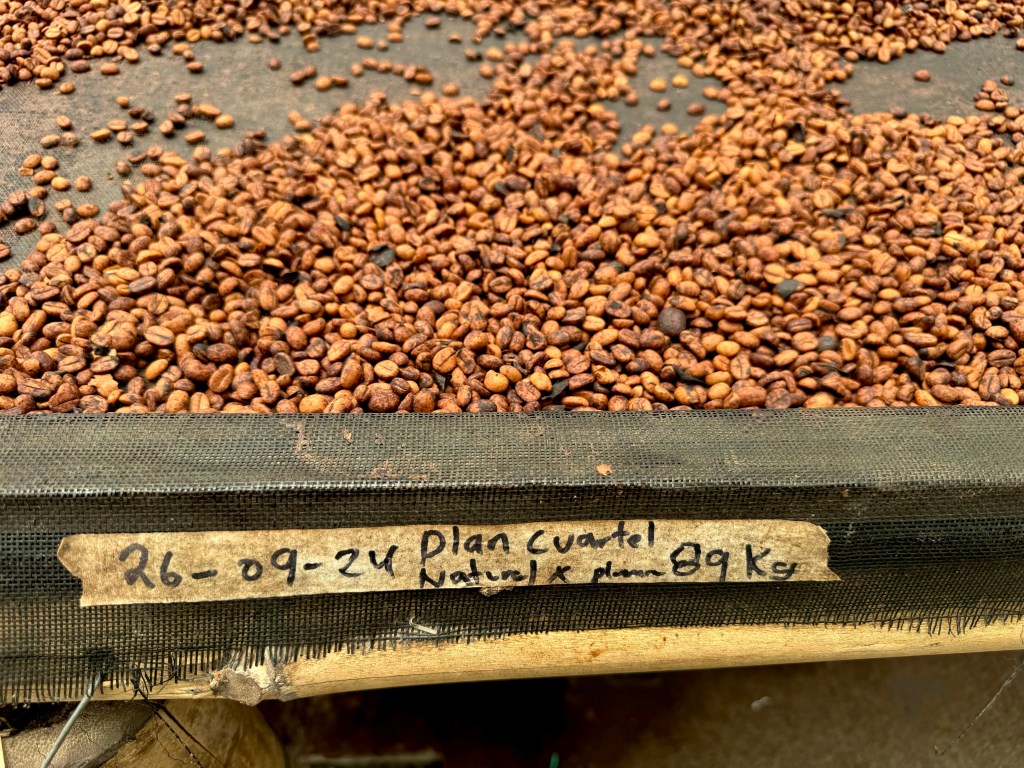
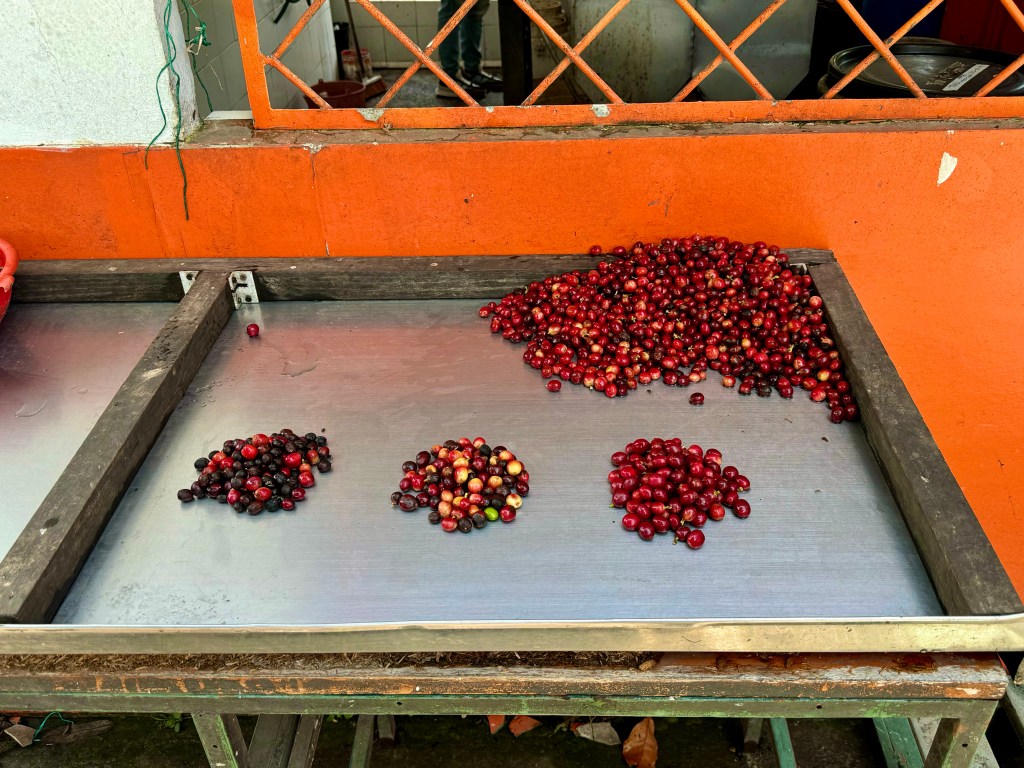
The process of growing the coffee was explained as we picked a few berries and observed the sorting process.

Tim, picking a few coffee berries

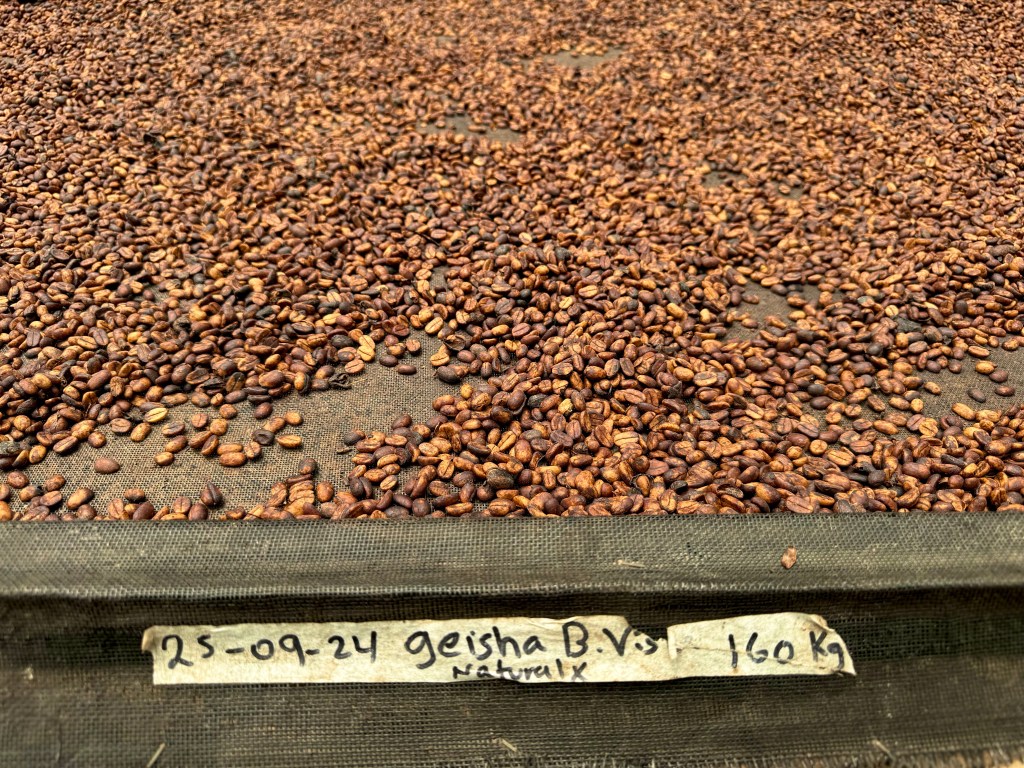
The farm processes the berries three different ways: natural, with honey , and washed. They go through at least three different sorting to get the highest quality to export. The “bad coffee or pasilla” is sold in country only. That is what the locals prefer.

After lunch we went back to Montenegro to play the national game of Tejo. It is similar to corn hole. You throw a heavy lead disc at the slanted clay tray. The target is the middle of a circle of plastic triangles with gunpowder. If you hit the triangle the gunpowder explodes. And it involves drinking beer.

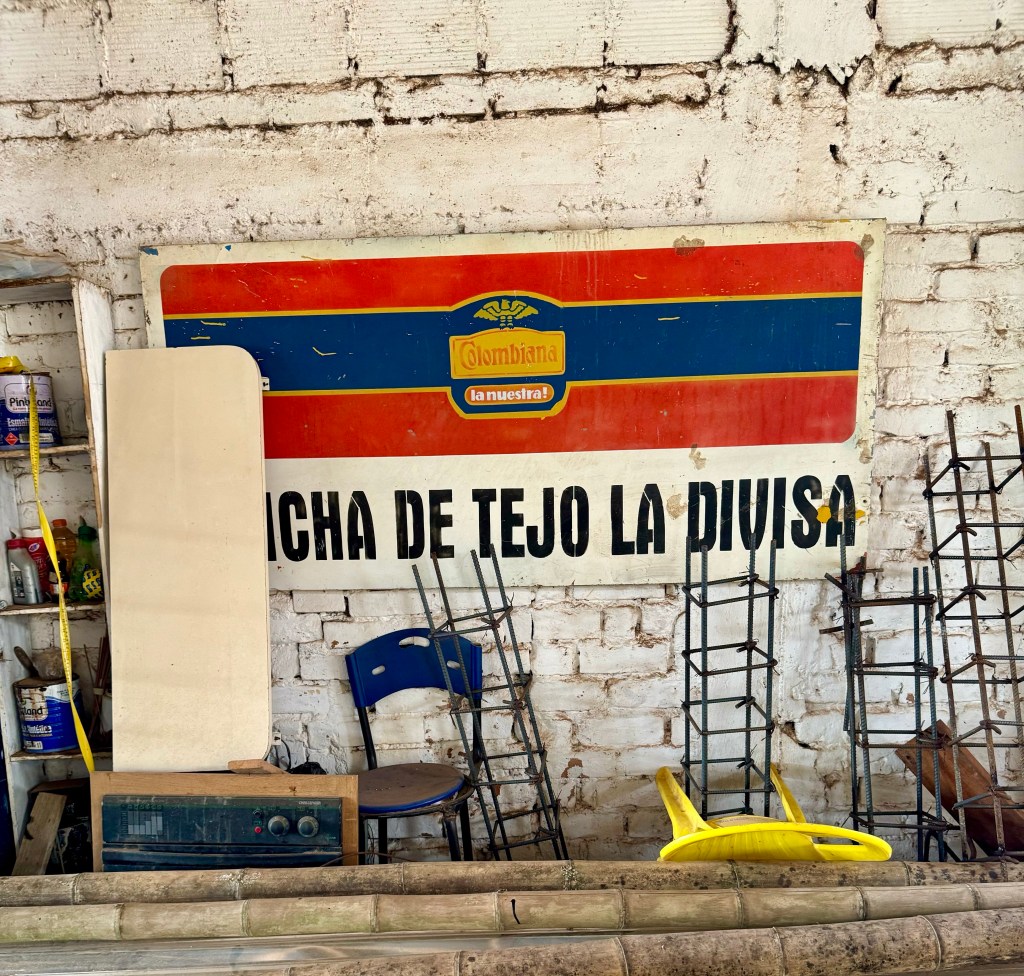
Sign in the Tejo building
Our group after several rounds of Tejo

Cocora Valley

October 11, 2024

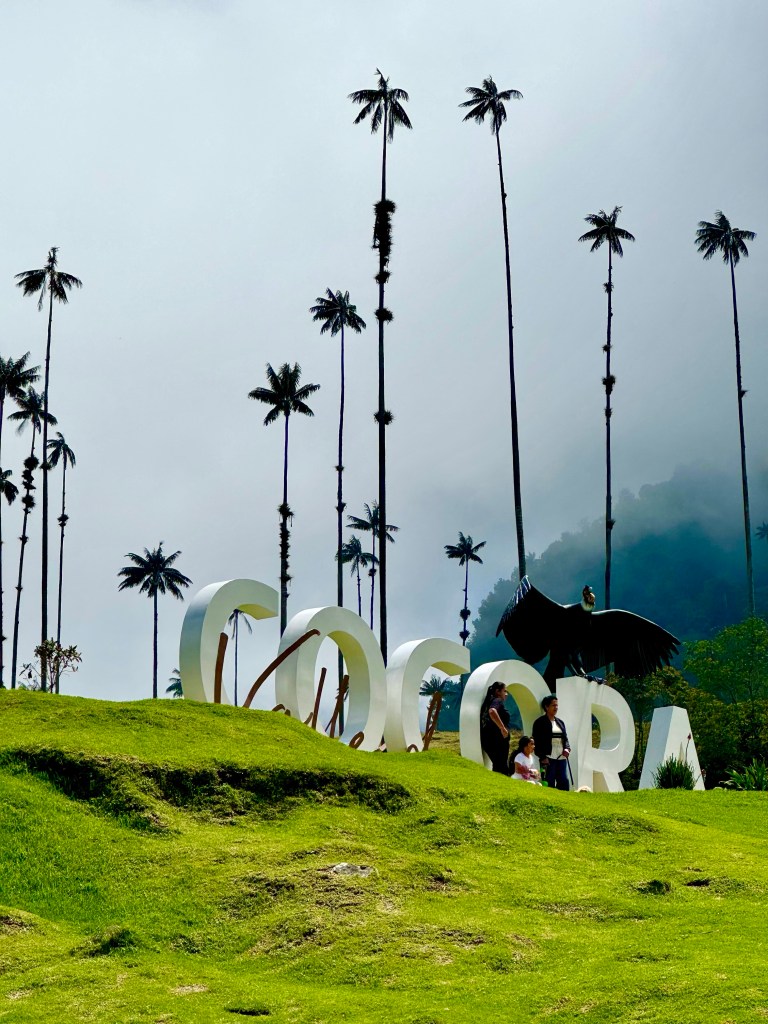
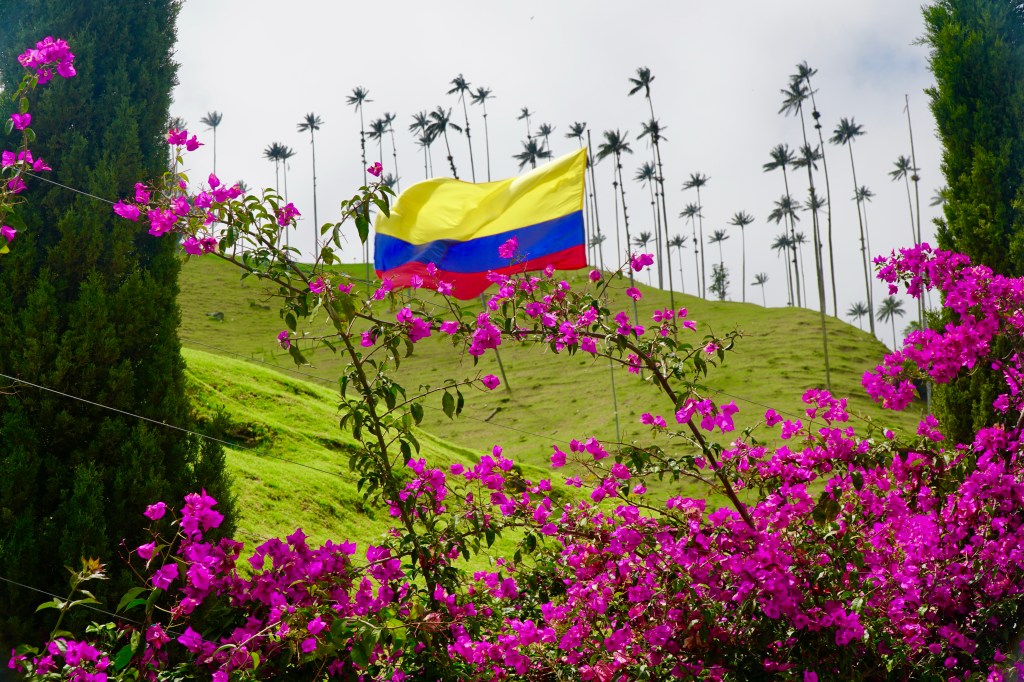
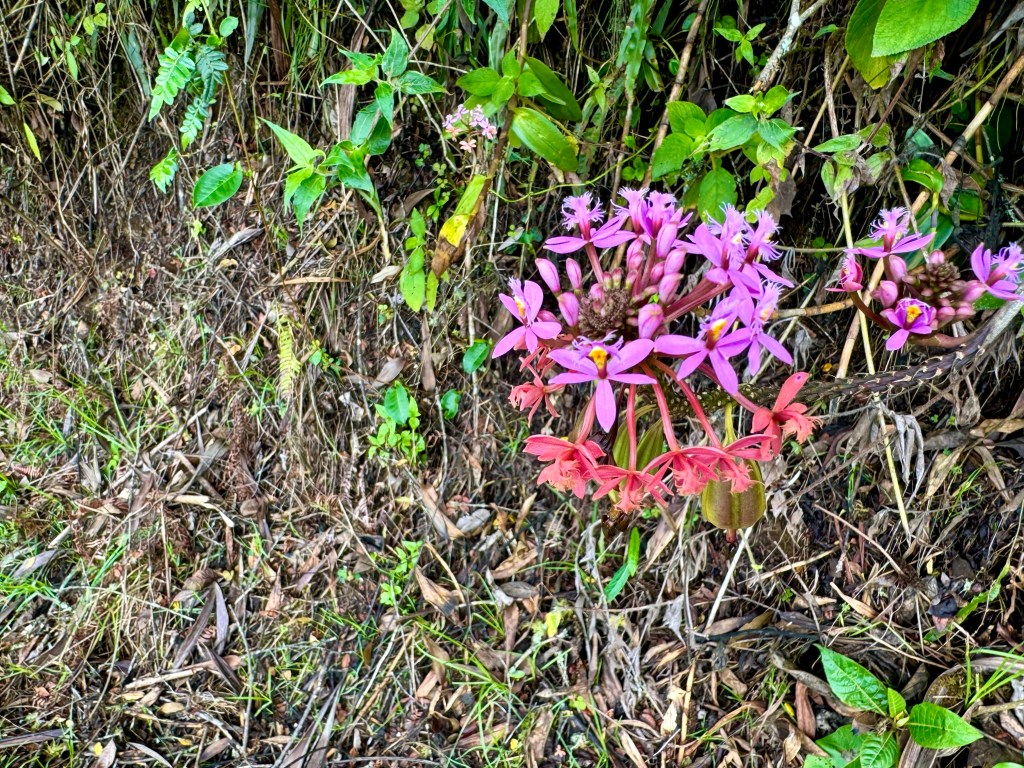
We began the day at the Cocora Valley. We hiked up to the first lookout enjoying the amazing scenery. This valley is the only place to find the tallest palm trees in the world, The Wax Palm Tree of Quindio. We enjoyed the flowers and animals. Bulls and horses. We kept our eyes open for the one Andean Condor, but he did not appear.

Cocora Valley from the trail

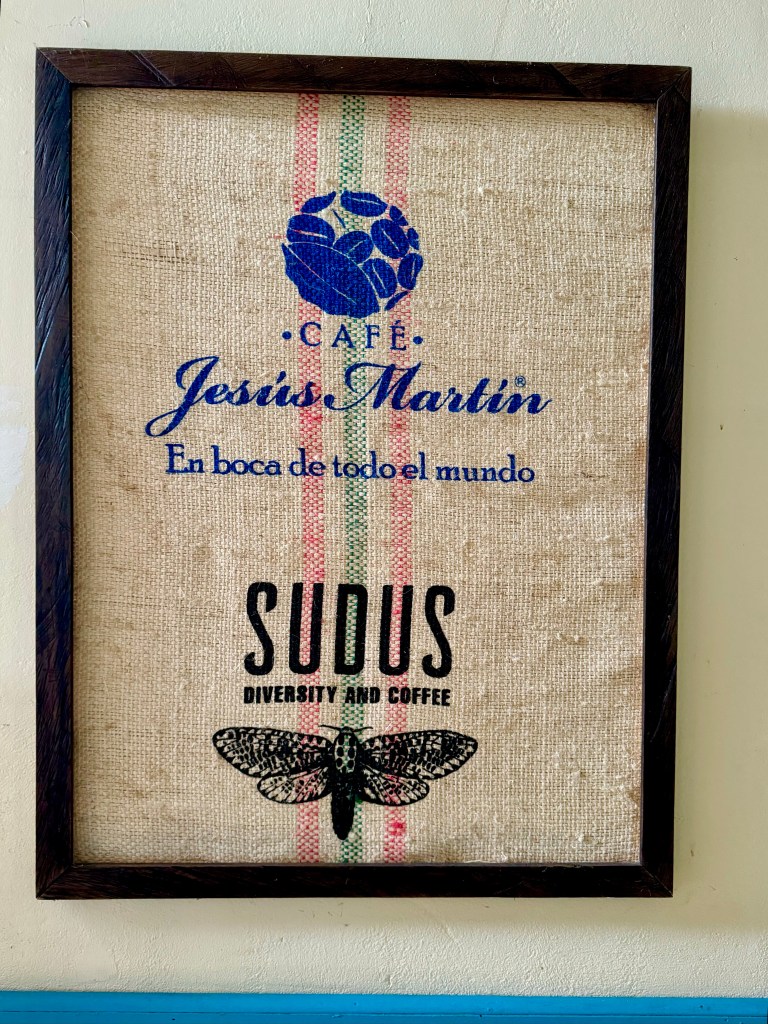
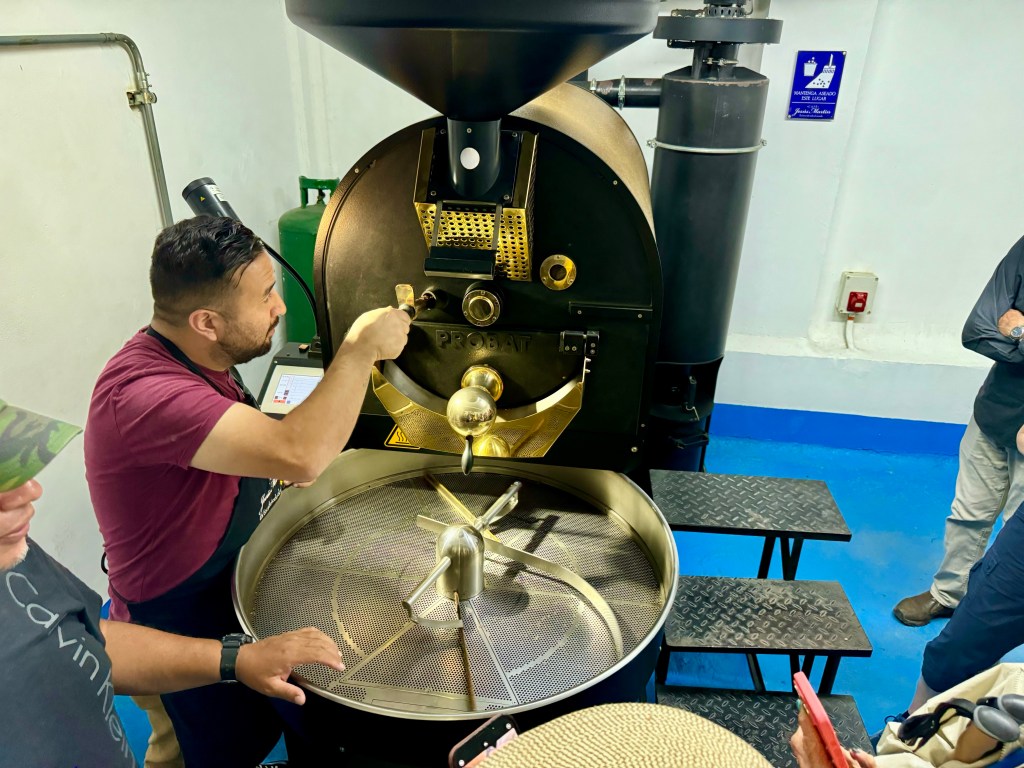
We visited a coffee roaster in Salento and Johnnie explained the process. Then we went to the coffee shop to, of course, taste the coffee. We also got to try our hand at latte art. Not being a coffee drinker, I chose to have a moccachino and made a flower.

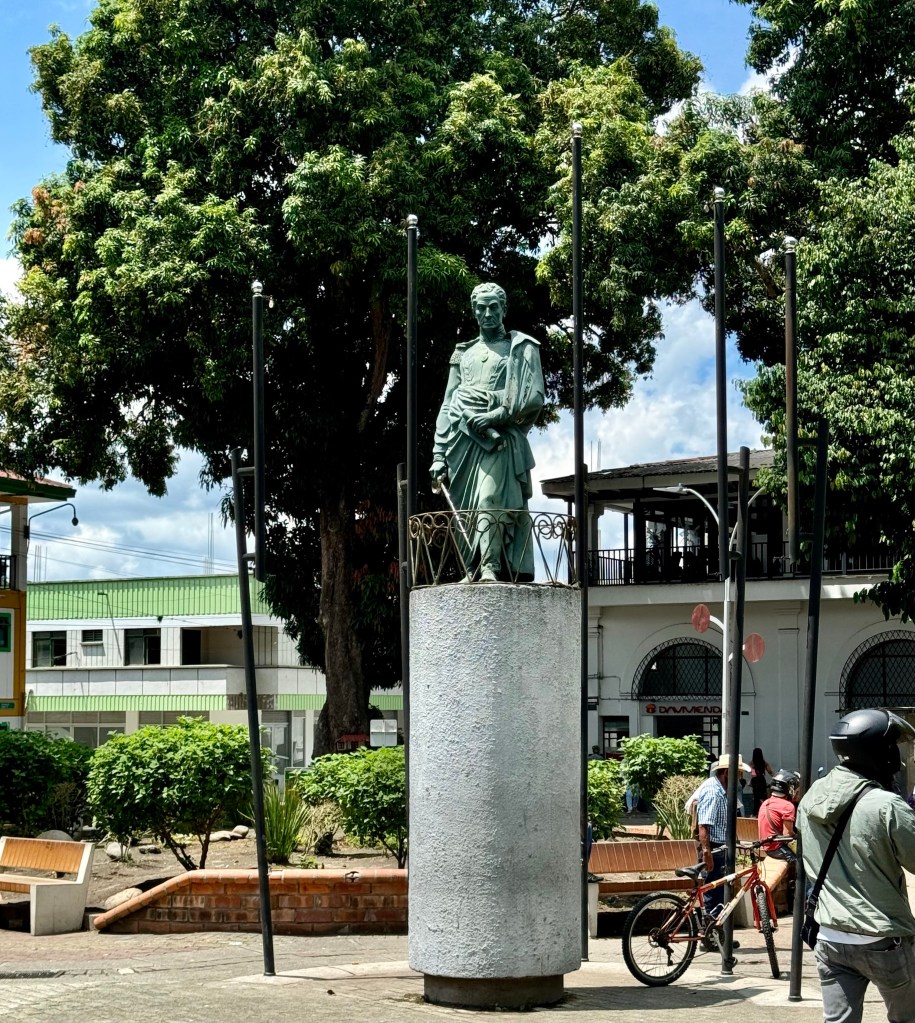
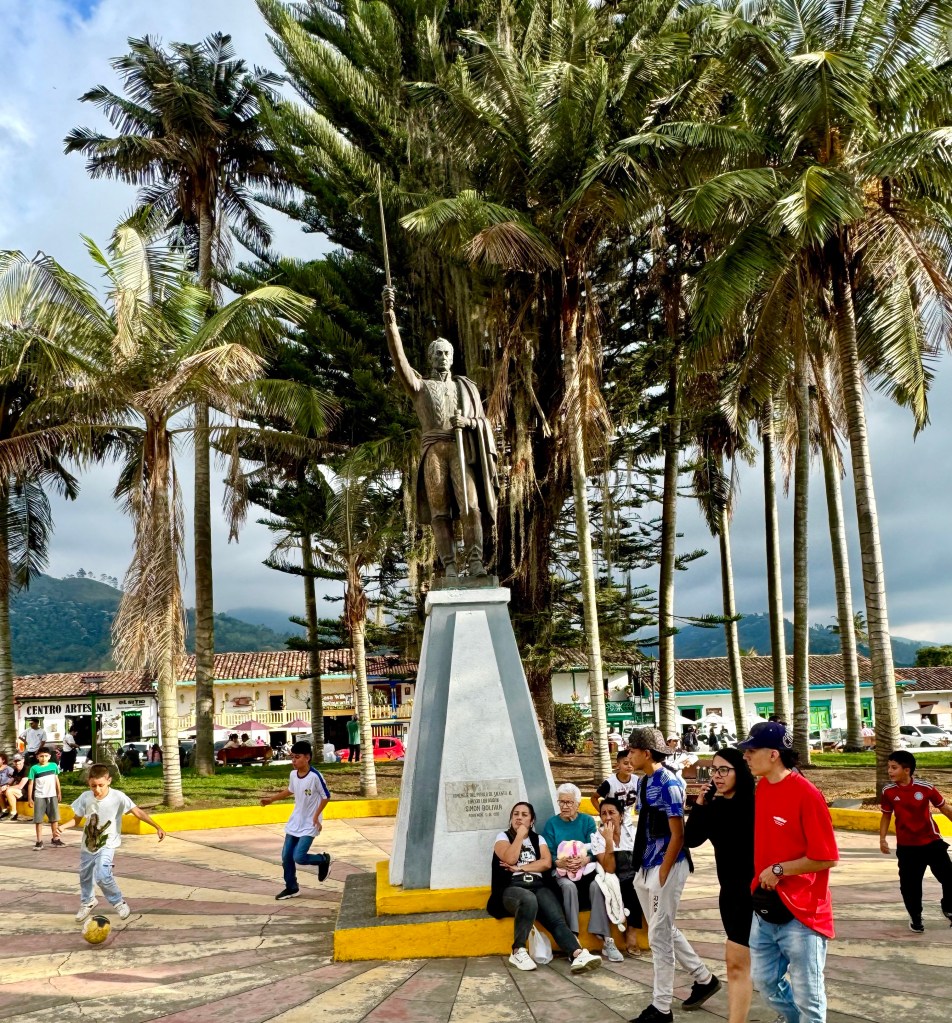
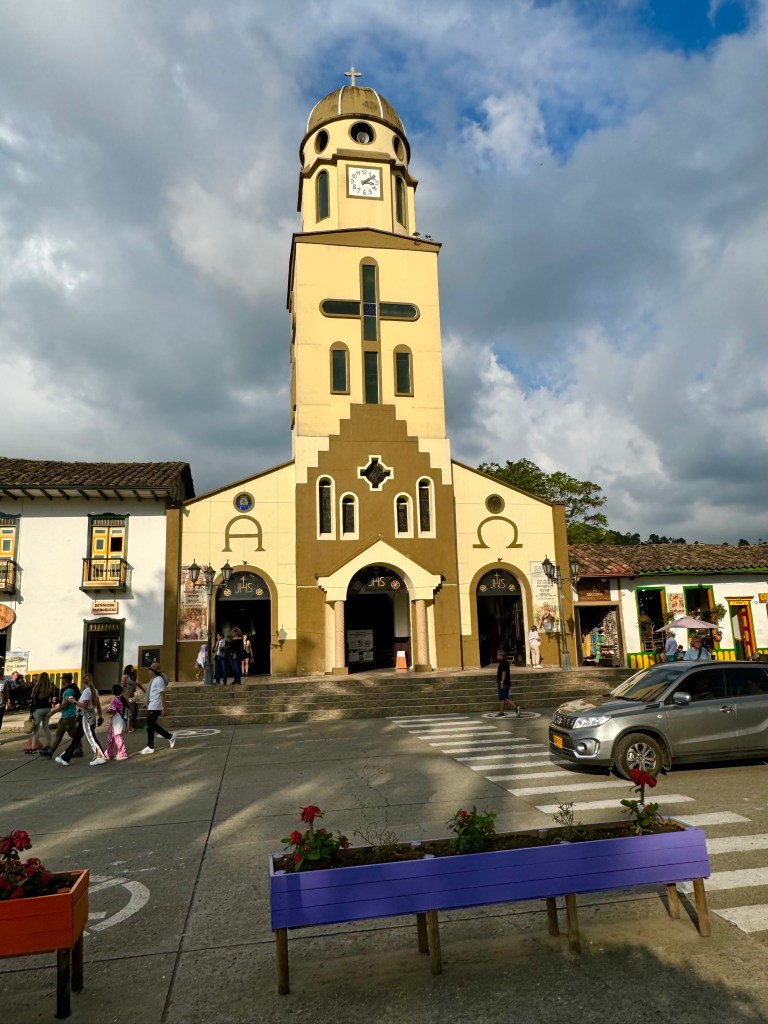
Salento is a very pretty town with a central plaza with a statue of Simón Bolivar in the center, of course.

Simón Bolívar in the plaza
Our Lady of Carmen church in Salento

Medellín Comuna 13

October 10, 2024

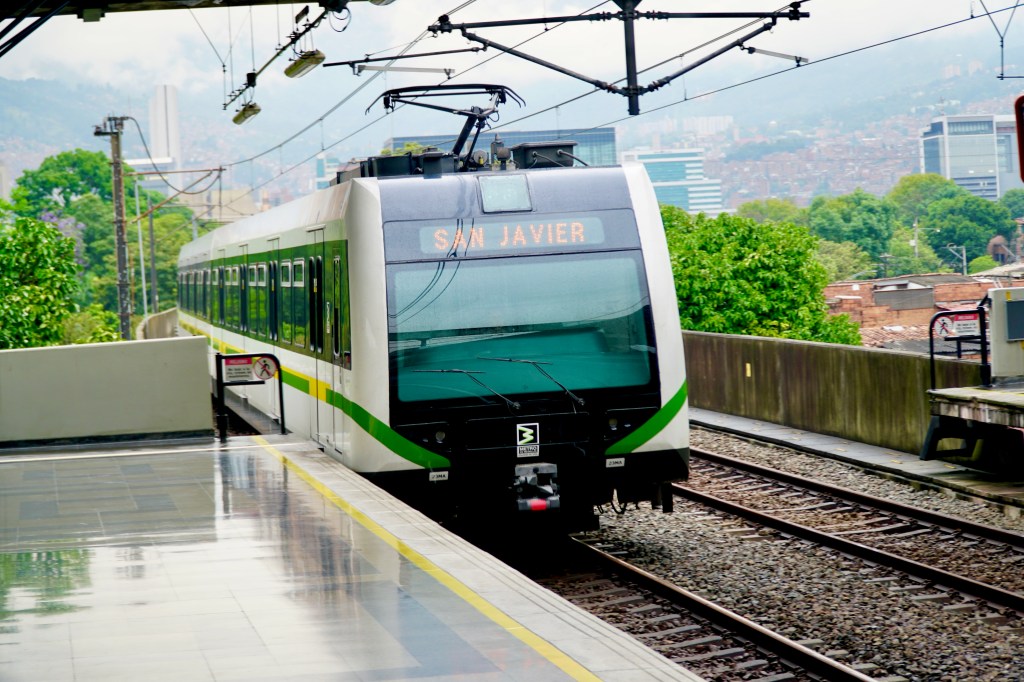
The city of Medellín has houses built up on the hills. It doubled in size over 20 years as people moved from rural areas. The hills are so steep that the metro system includes trams. Our experience today was to ride the metro train, the tram and the local bus.

The local bus took us to Comuna 13. A neighborhood once controlled by the paramilitary and now a vibrant tourist destination. A local guide, Miguel told us his experience growing up up in the comune.

Miguel sharing his story

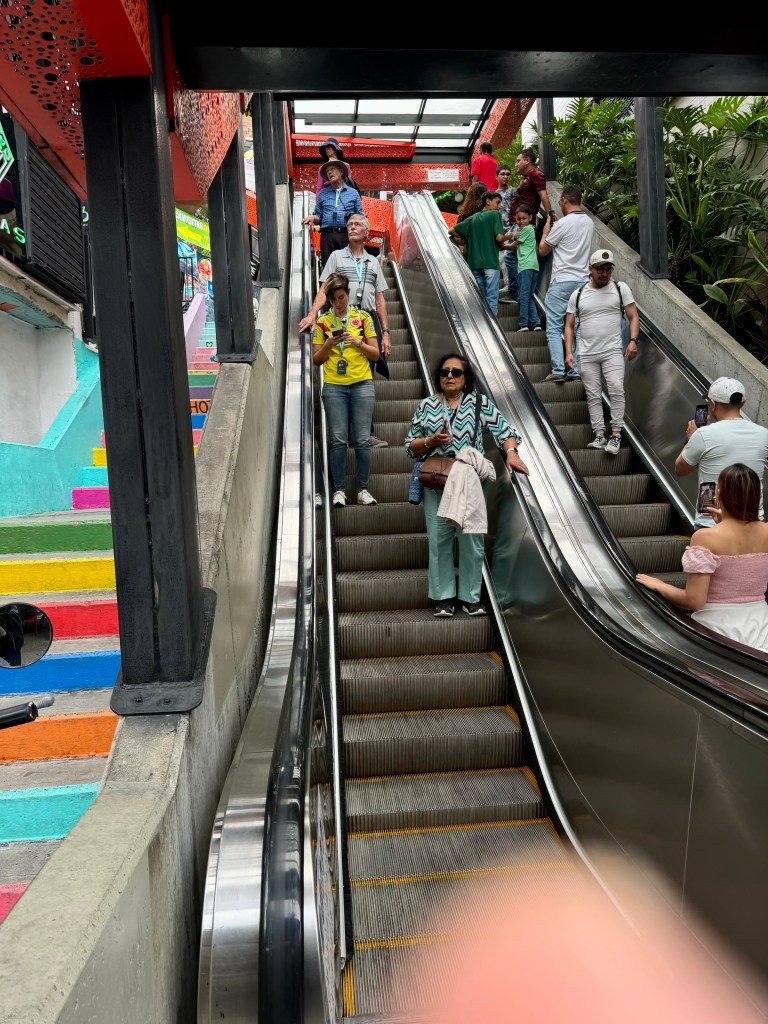
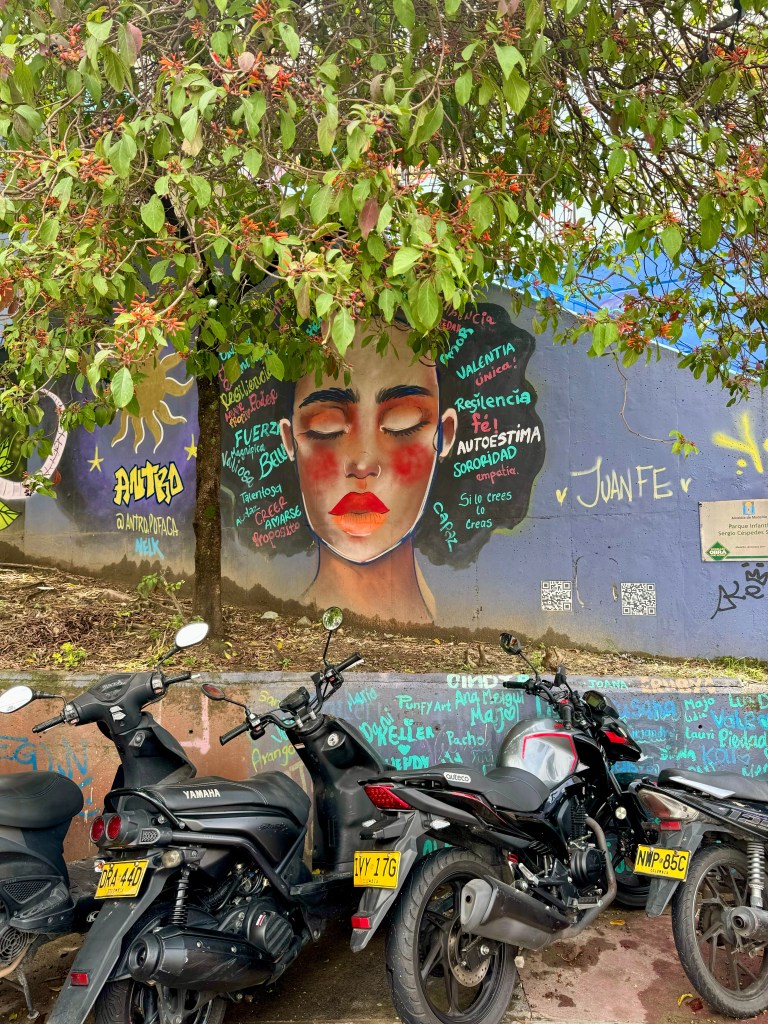
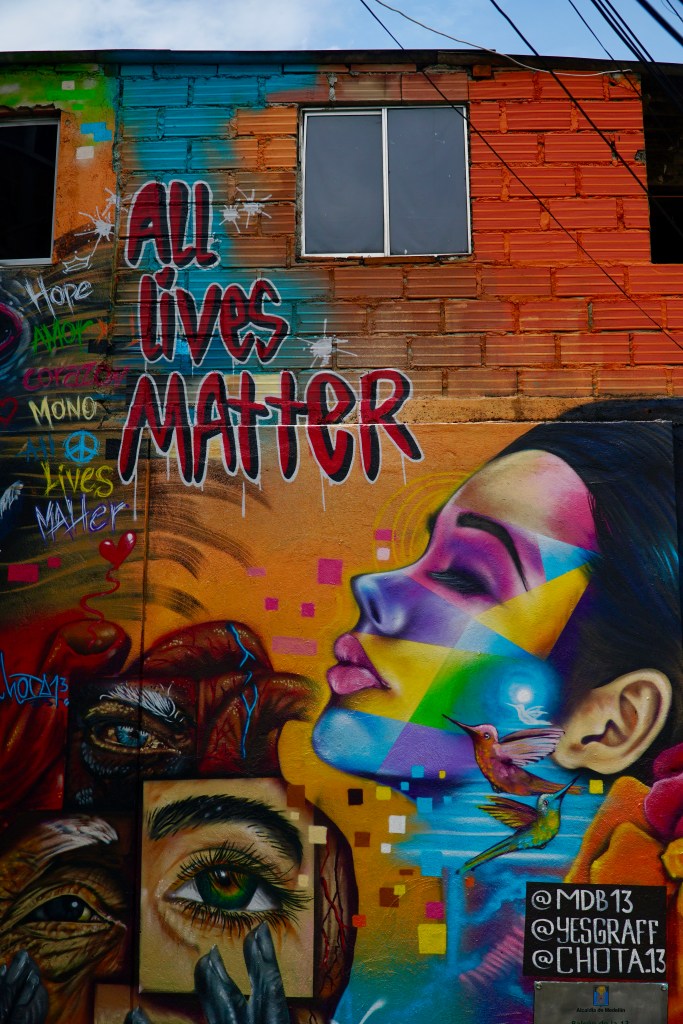
Miguel was a small boy when paramilitaries took control of the town. When they heard shooting they would put their mattress up over the windows and hunker down. He remembers sharing with friends how many dead bodies they saw each day. The neighborhood lived in fear for years. The government decided to take control and sent tanks and military into the comune and started randomly shooting and killing innocent people along with the paramilitaries. After days of shooting, the paramilitary lost control of the town. Now the neighborhood has come to life 20 years later as a tourist town. It is filled with colorful graffiti, shops selling souvenirs and bars and cafes. There are escalators to get around this steep hillside comuna.

Several groups of breakdancers were performing for the tourists. Their strength and creativity was amazing. We stopped at a stand to enjoy mango/passion fruit popsicle.

To see a city that has been transformed from a dangerous place to one that welcomes thousands of tourists a day was amazing.

Guatapé

October 9, 2024

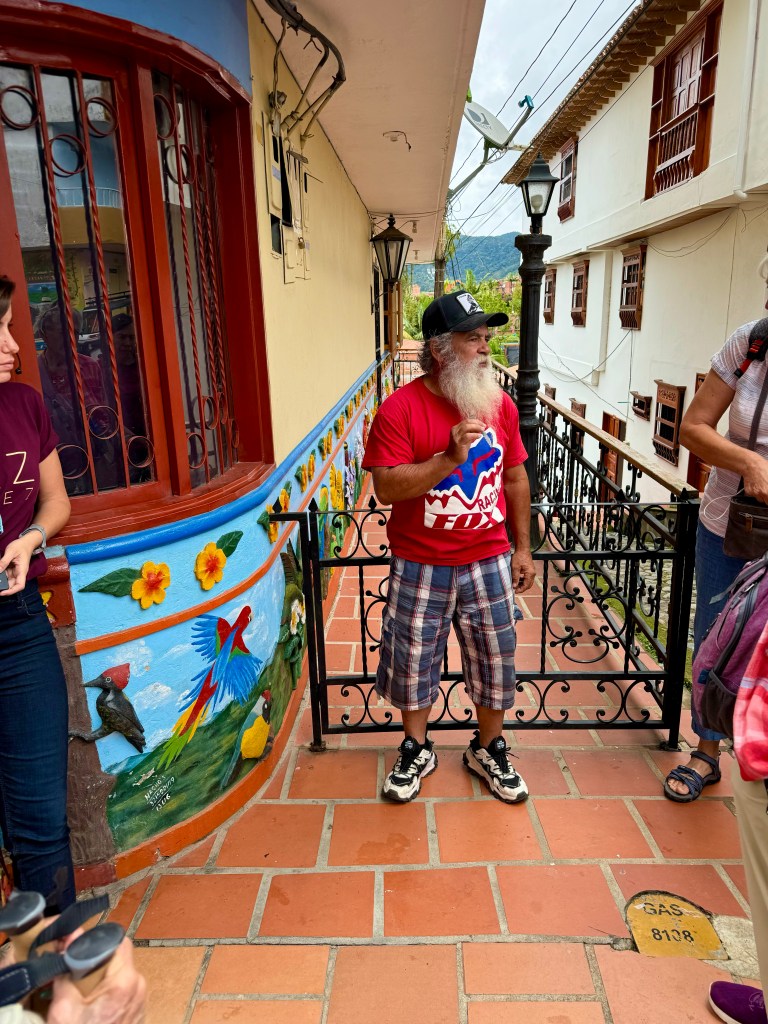
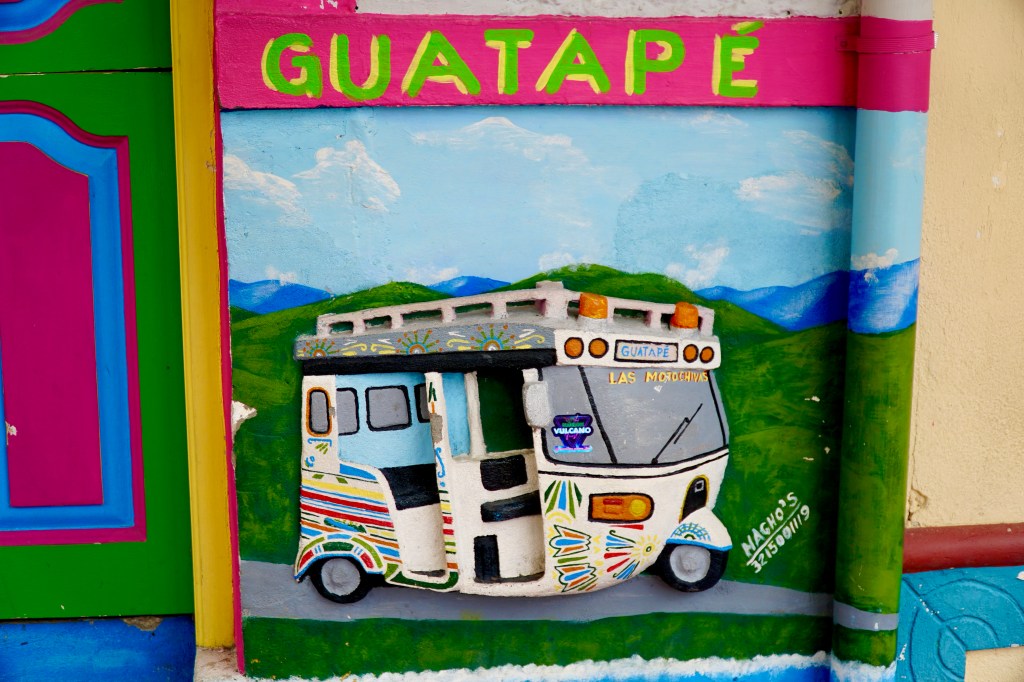
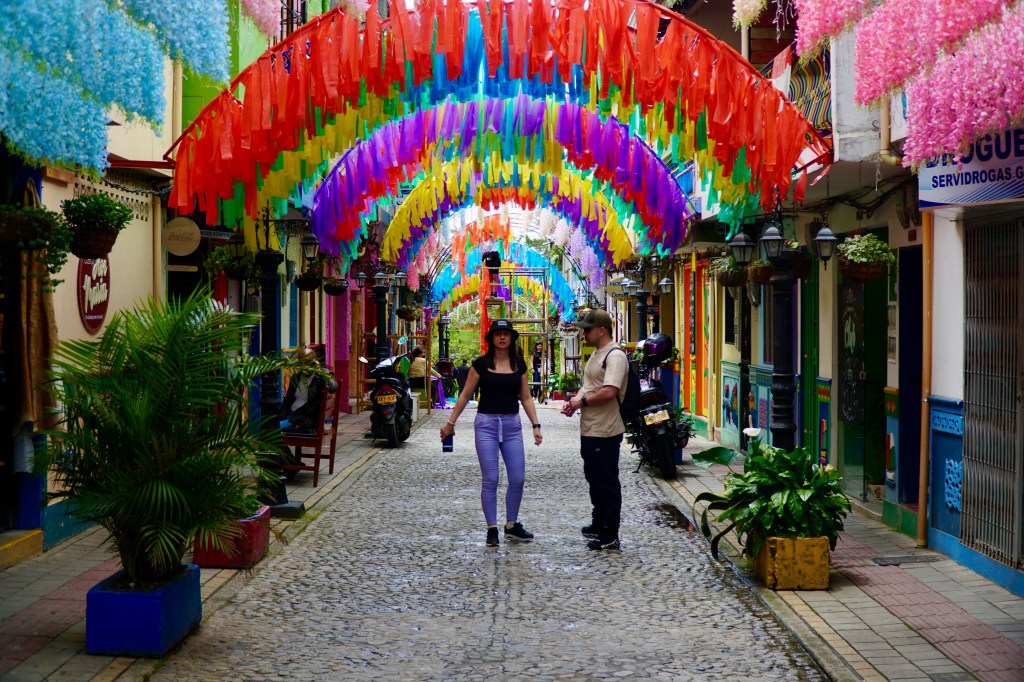
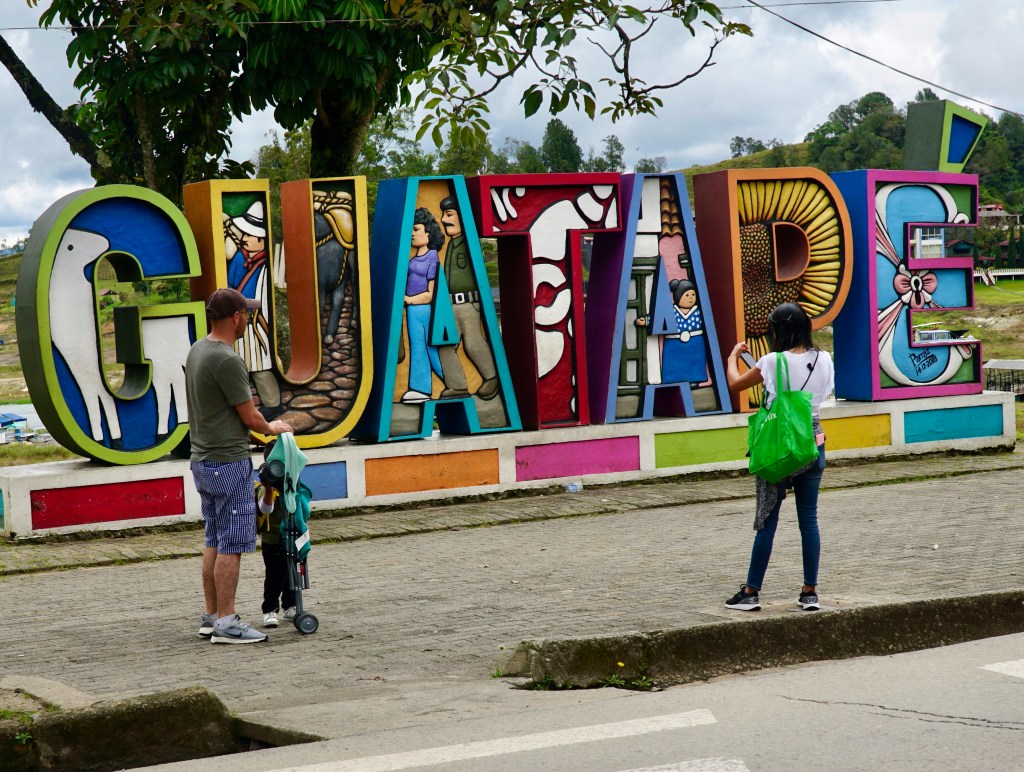
The small town of Guatapé is a delight of color and fun. The houses and businesses decorate the lower part of their buildings with colorful paintings. These are called zócalos.

Zócalos

We started the day riding to see the streets of Guatapé in the colorful Tuk tuks.

We met Nacho who along with his sons do a lot of the zócalos.

Nacho
Color everywhere!

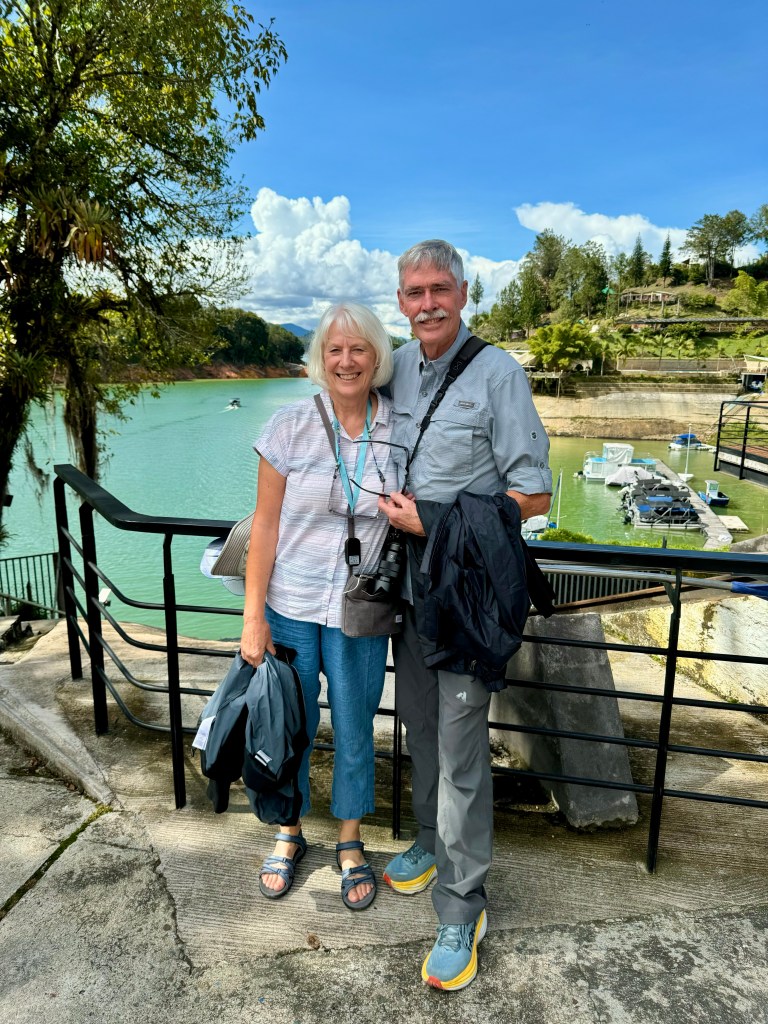
Later we took a pontoon boat ride around the reservoir. A delightful and relaxing day.

At the reservoir

Medellín, A Healing City and a Famous Artist

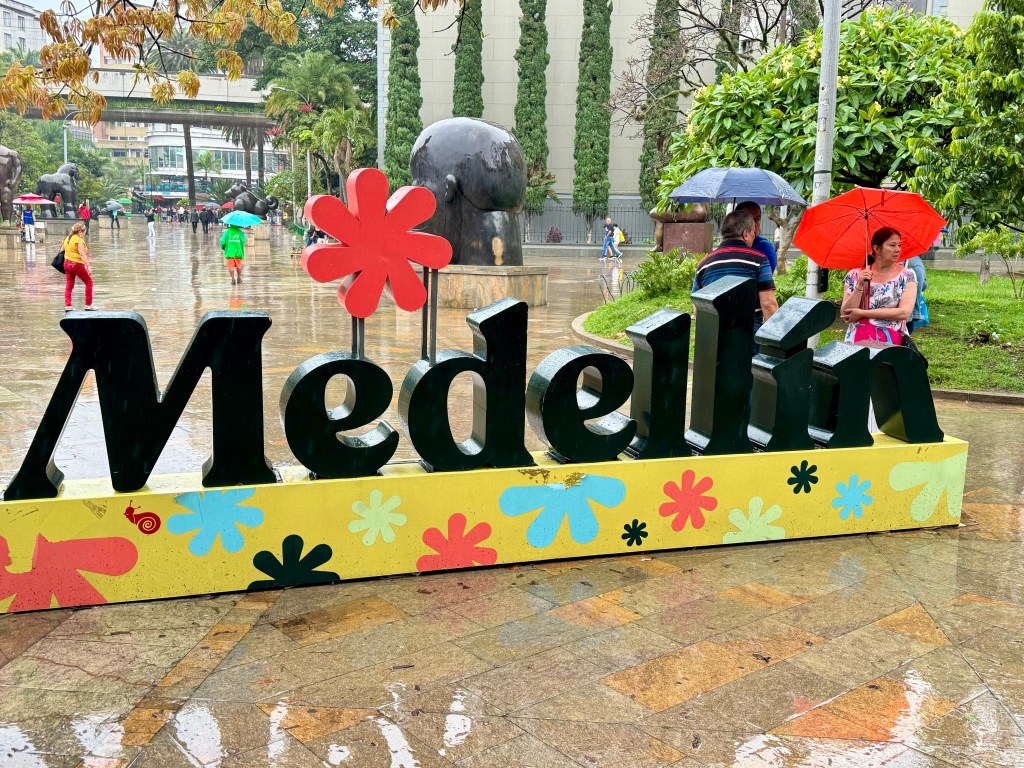
After an early morning flight we arrive in Medellin, Colombia’s second largest city. It is a city affected deeply by the drug cartels, especially the one led by Pablo Escobar. Many areas of the city were dangerous places to live or visit before the death of Escobar in 1993 and the peace treaty in 2016.

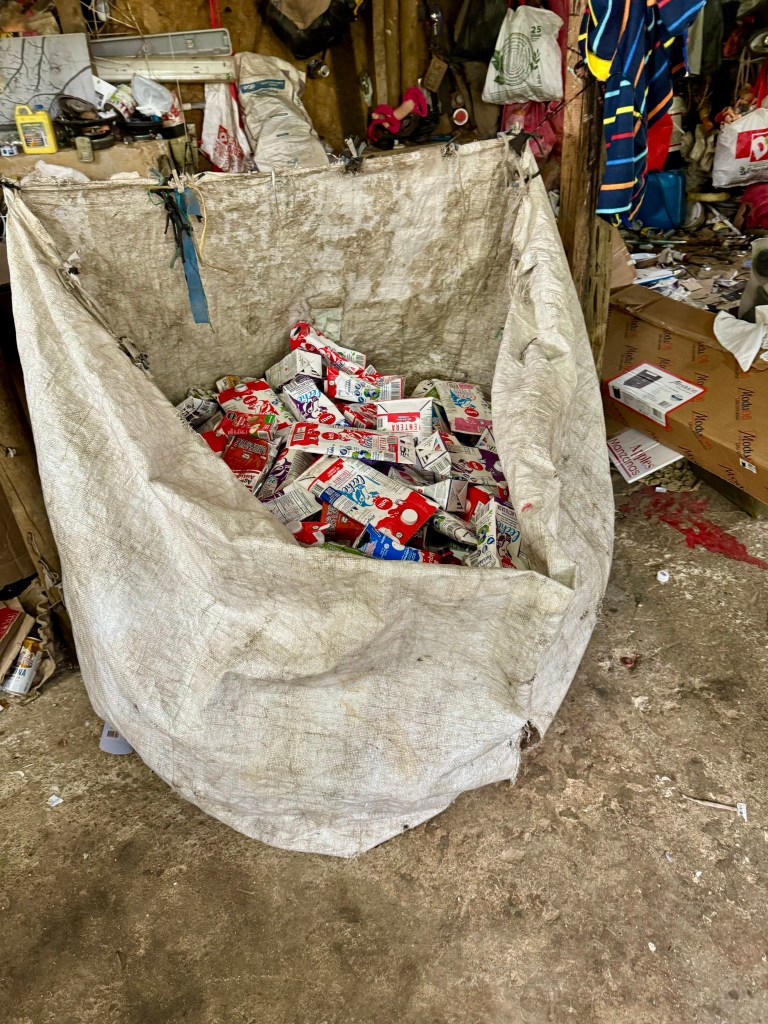
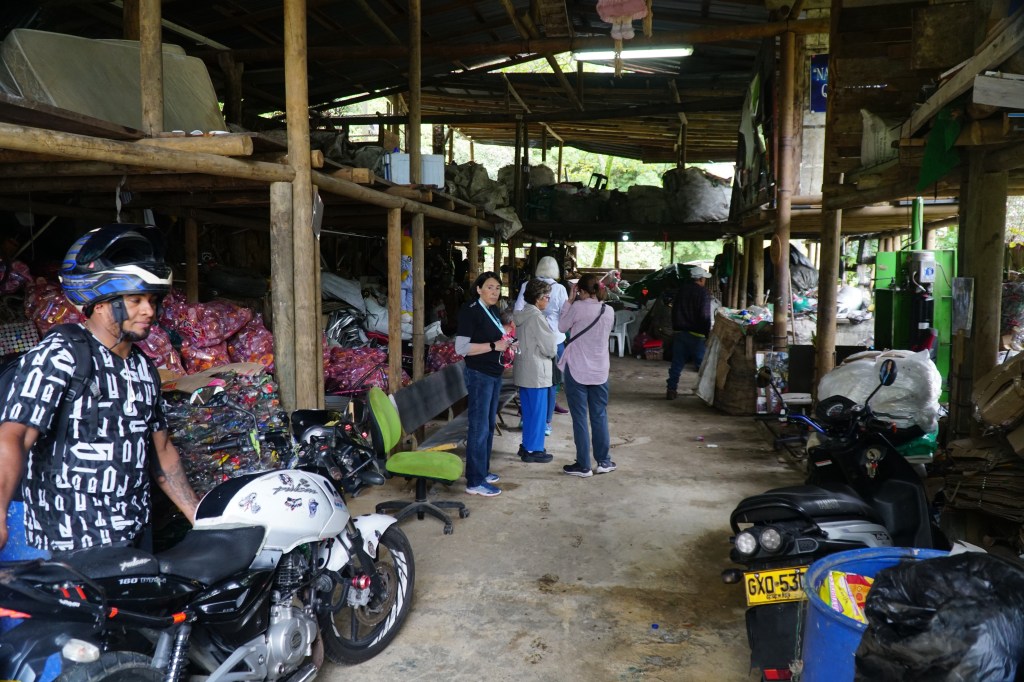
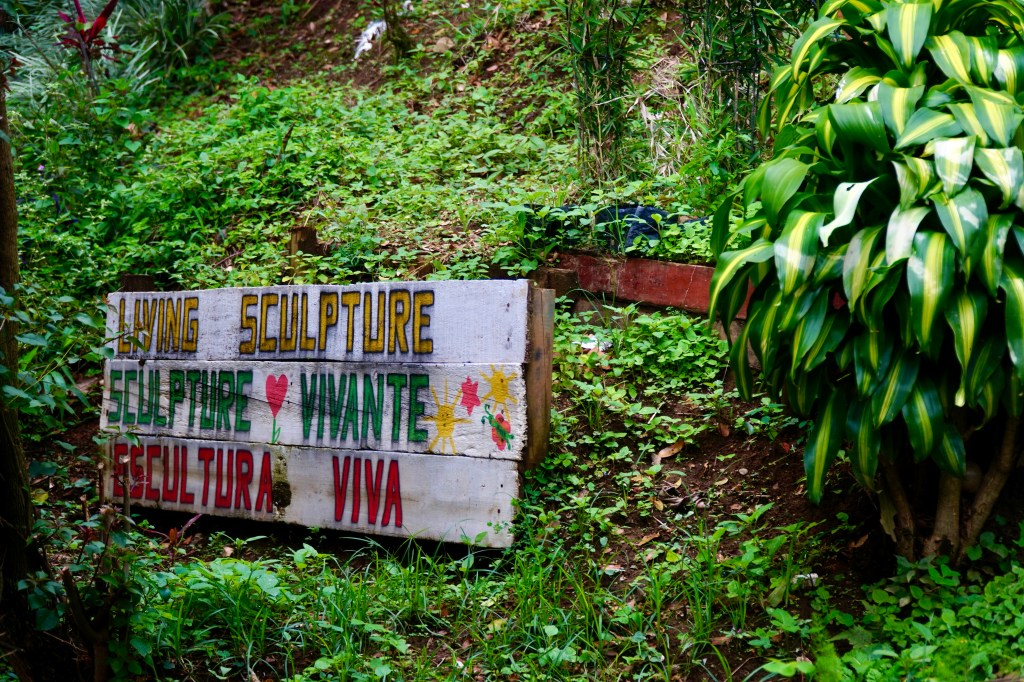
We visited Comuna 8 this morning , a neighborhood in the hills of Medellín. Formerly it was under the control of the paramilitaries. A former member of the paramilitary group began a project to help bring this area together. He along with others began a recycling business. The Grand Circle Foundation, the parent company of Overseas Adventure Travel, is helping support the project.

Luis of the Hill of Values and Corpo Santo

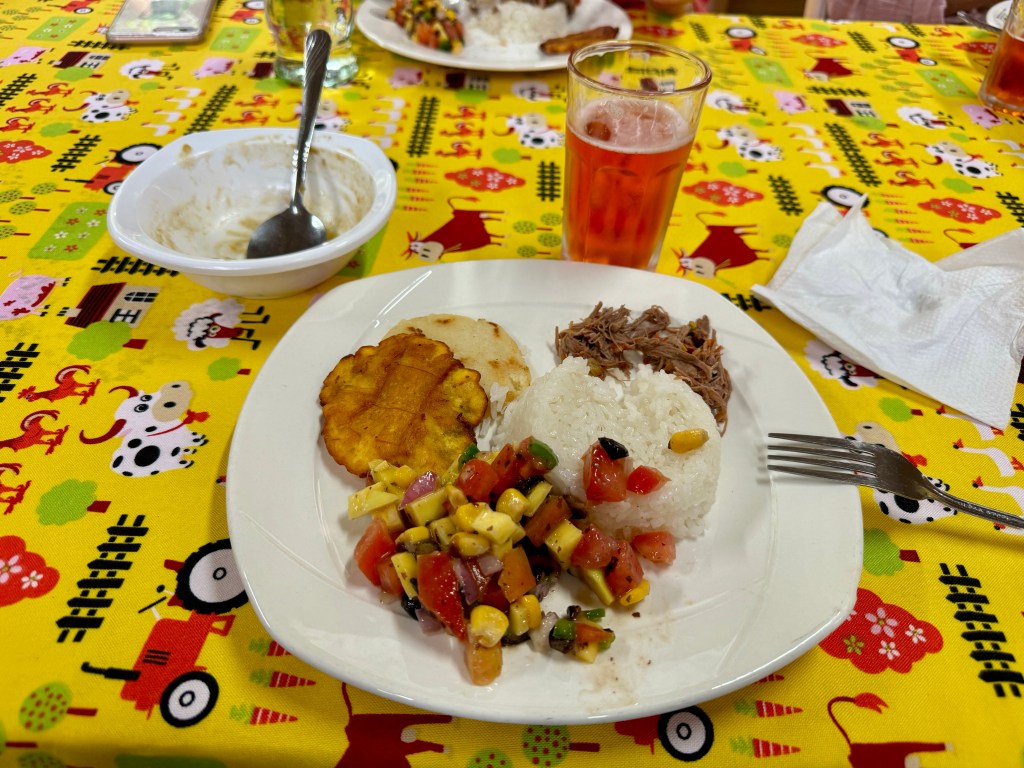
The project also has a garden and a community center. They treated us to a wonderful lunch of lentil soup, arepas, rice and a vegetable salad. We had a new drink called refago, a blend of a local soda and beer.

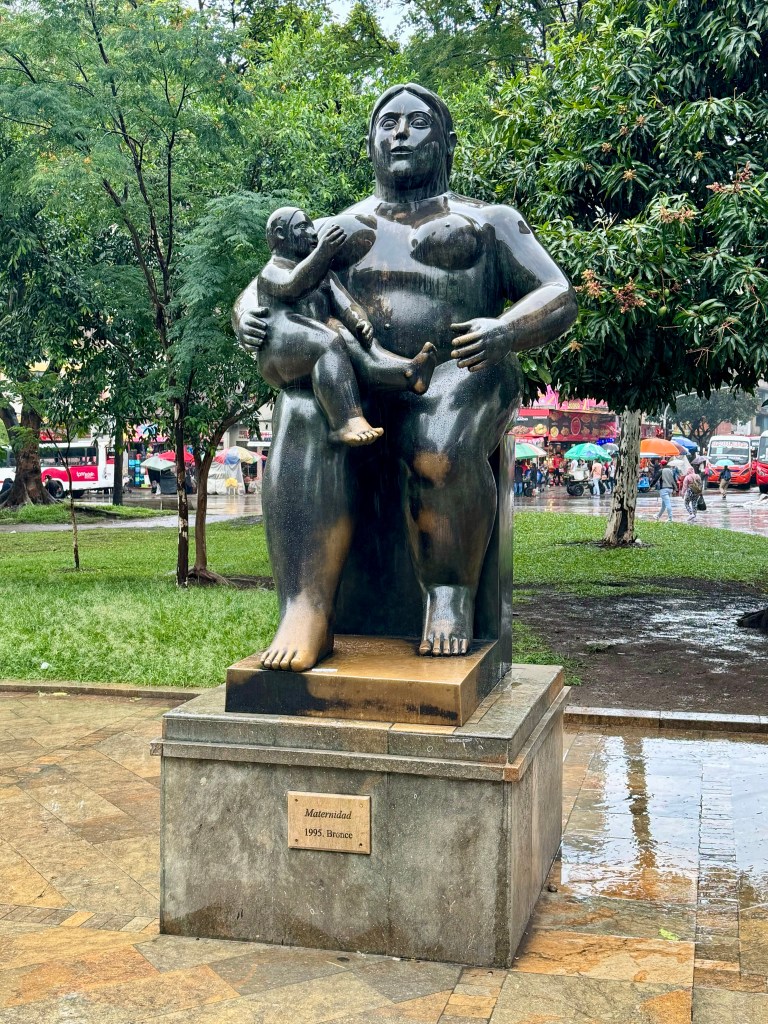
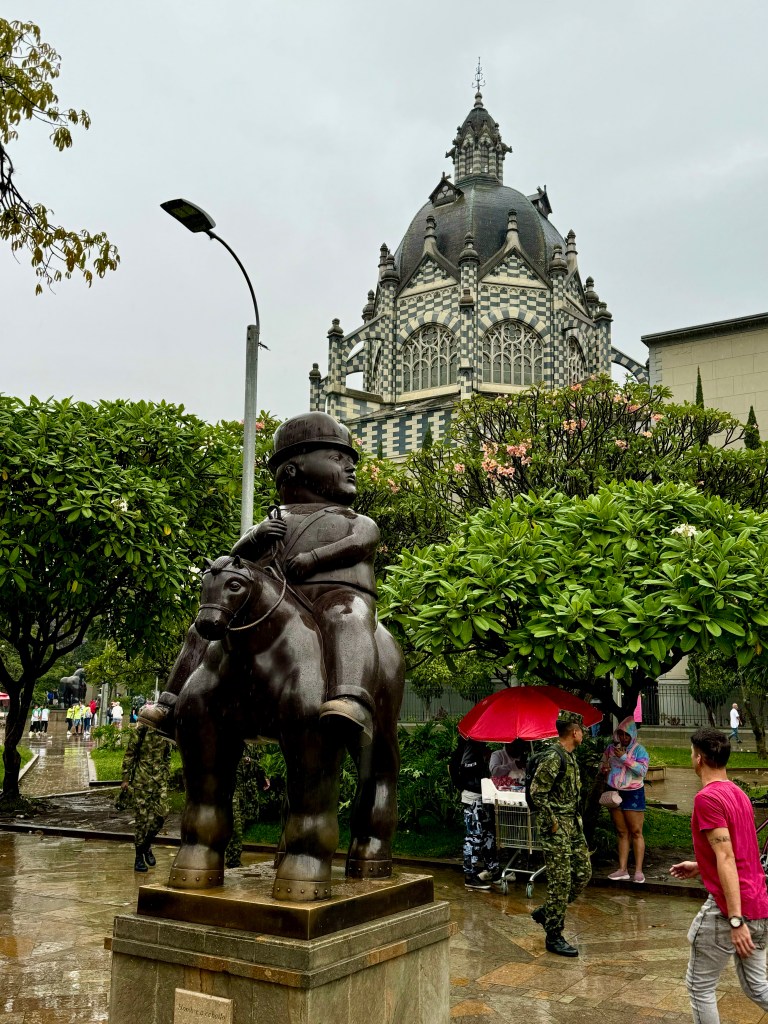
We next visited the Museo de Antioquia that features the works of Fernando Botero. We were not allowed to take photos of his paintings but there are sculptures outside that we could.

Bogotá Market and Street Art

October 7, 2024

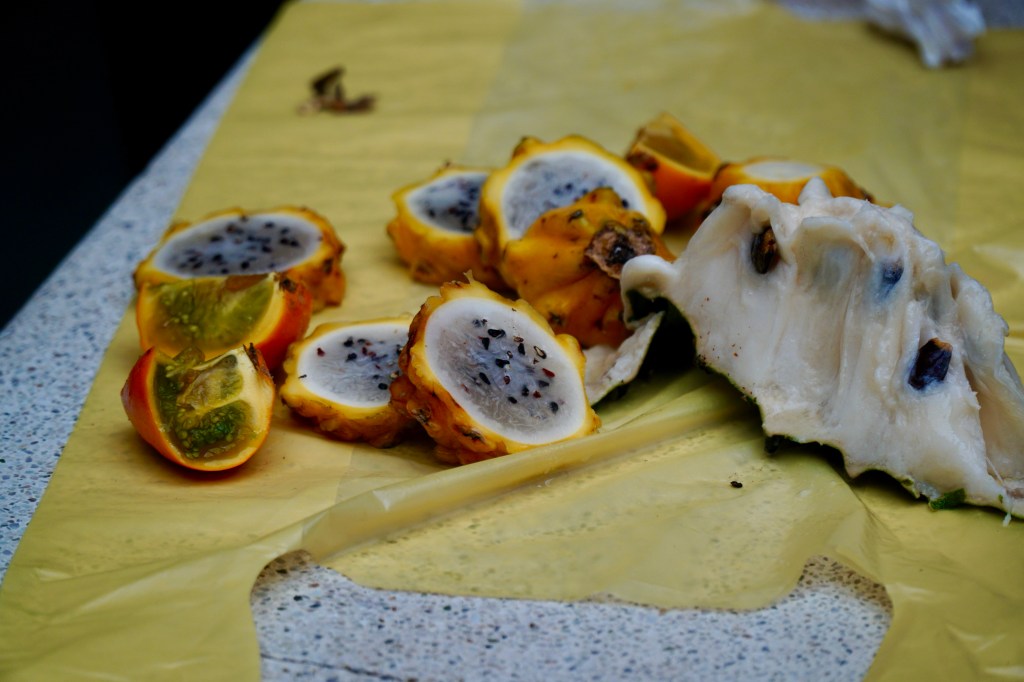
Fruits at the market

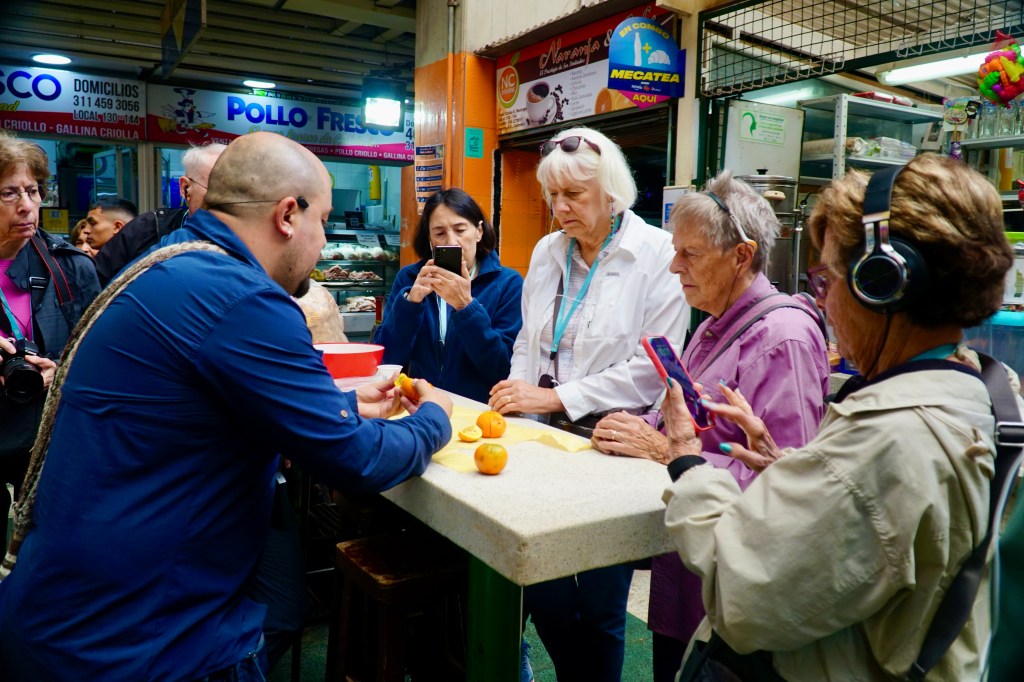
Our trip to the market in the Restrepo neighborhood was both a cultural experience and a very tasteful one, too.

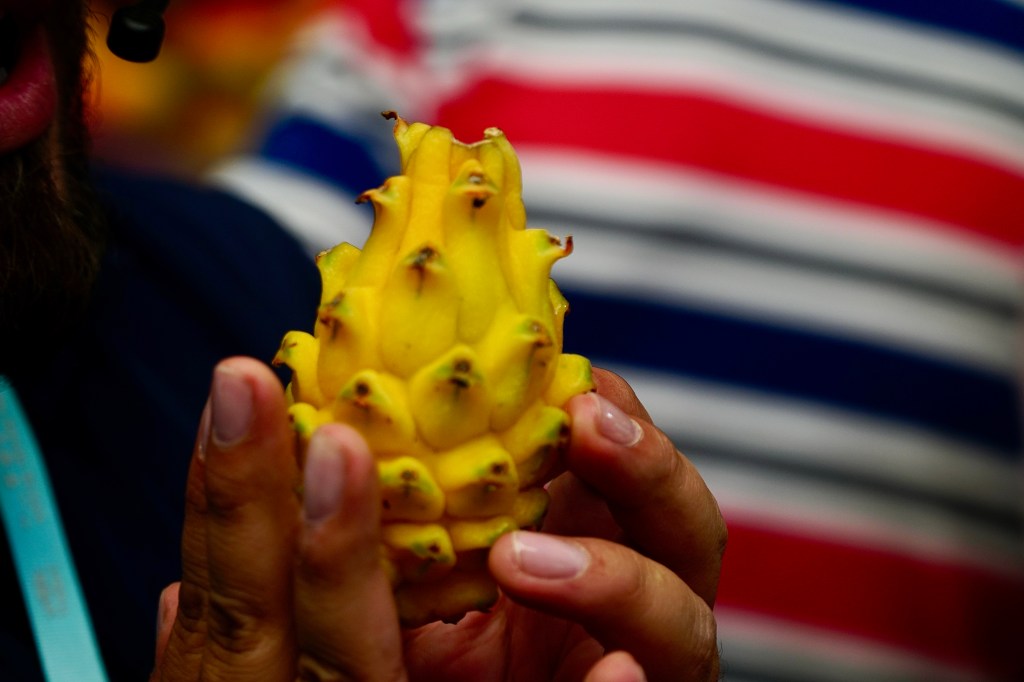
We tasted quite a few fruits that were unfamiliar. They included Lulo, Guanabana, Pithaya (Dragon Fruit), Granadilla and more.

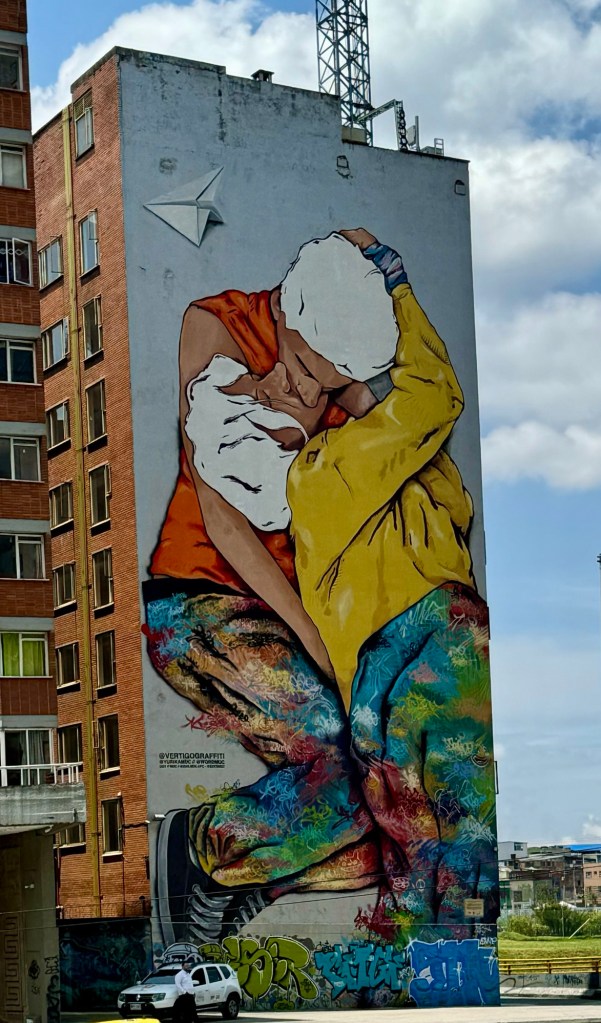
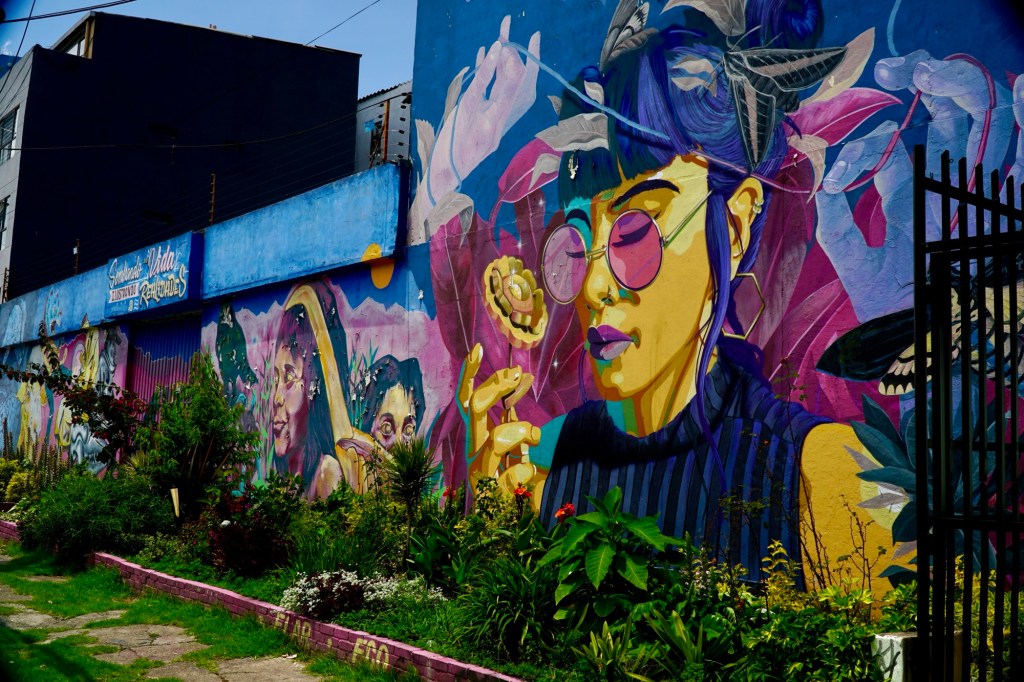
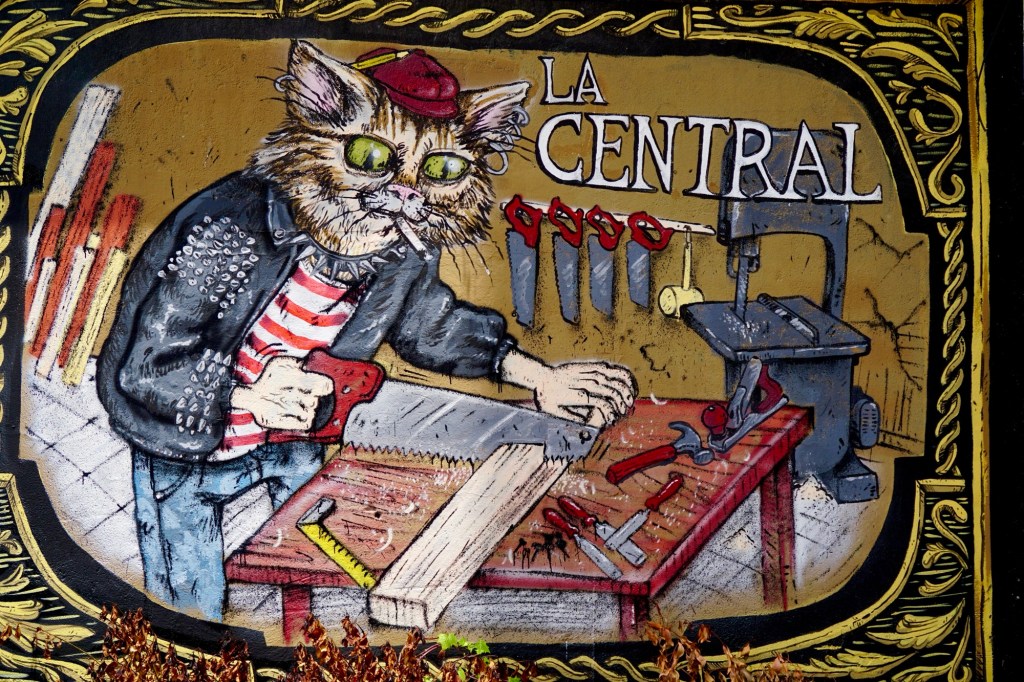
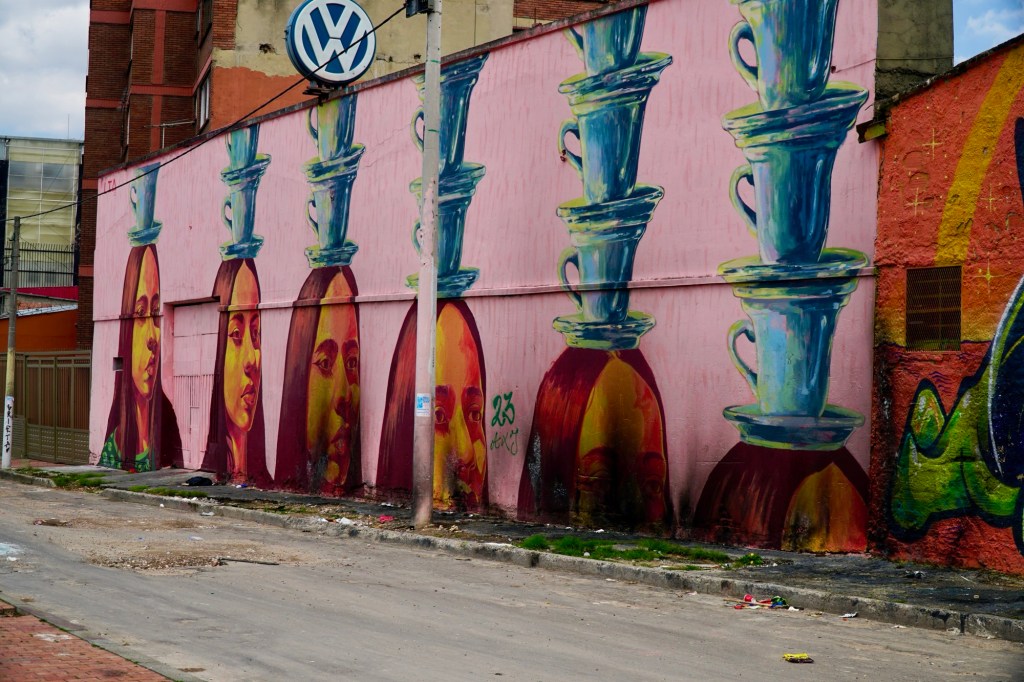
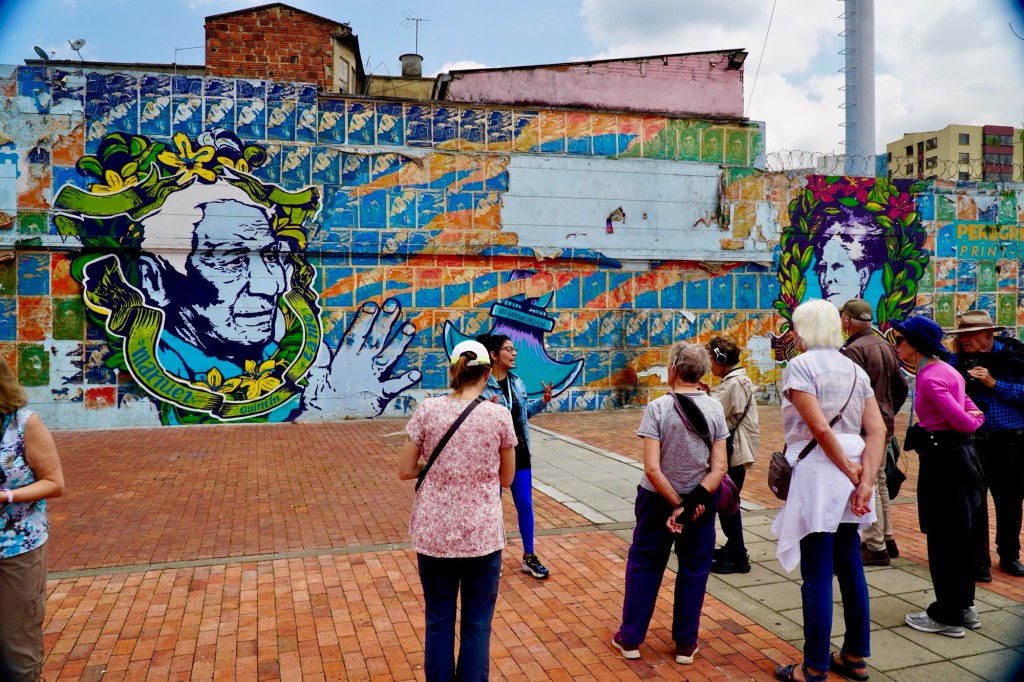
We followed the market experience with a tour of the graffiti and street art in Bogotá. We were led by a local artist, Monica, who gave us a history of the art. She began with the first wall mural that was commissioned. It was a wall near a homeless encampment entitled “The Kiss of the Unseen Ones”.

Most of the art has a message and it was interesting to hear the meaning behind the art.

We ended at a local studio to try our hand with spray painting. I don’t think we’ll be doing any murals soon!

Tim and my art attempt

Tim and I ended the day with a walk to find a coffee shop (This is Colombia) that offered to process the cup of coffee many different ways. He smelled the different beans and chose the one he wanted. The barista prepared the coffee right at our table.

Bogotá History and Gold

October 6, 2024

We decided to skip the hotel breakfast and find a place nearby. However it was Sunday and most everything was closed! We found a small place on the corner and got traditional breakfasts of coffee or chocolate, cheese and almojábana, a round small roll made from corn flour with fresh cheese in the middle. I had the hot chocolate and broke up my cheese and put it into the chocolate, which is the preferred Colombian way.

We joined our tour group for a walk around the Calendaria historic district.

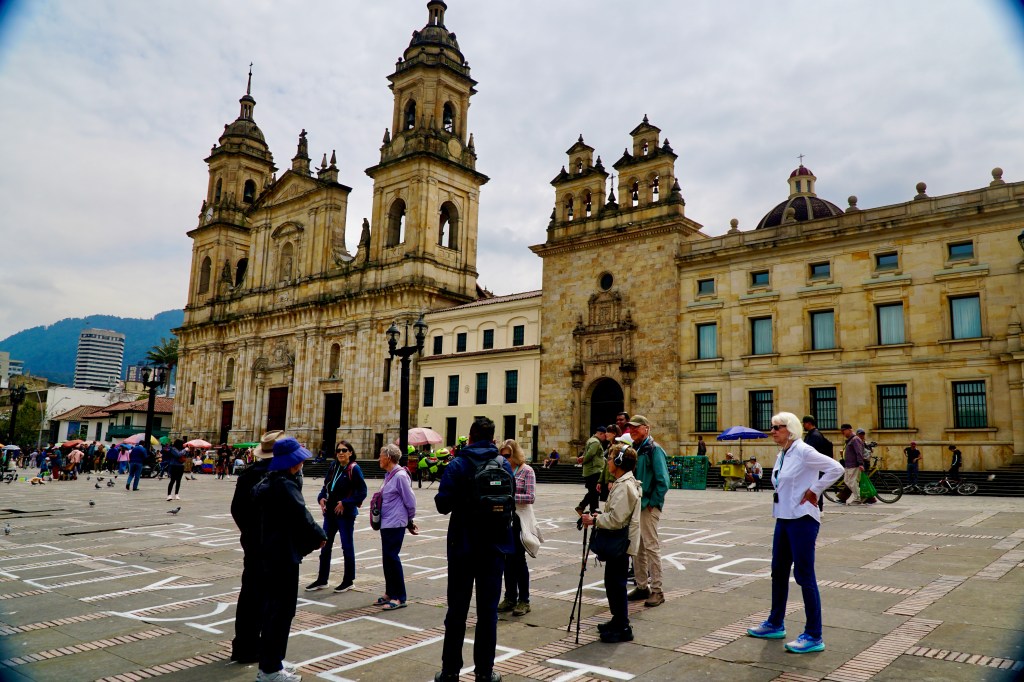
Plaza de Bolivar

Simón Bolivar was a military leader who was instrumental in the cause for the independence of Colombia from the Spanish. Most of the buildings surrounding the plaza are government buildings along with the city’s cathedral.

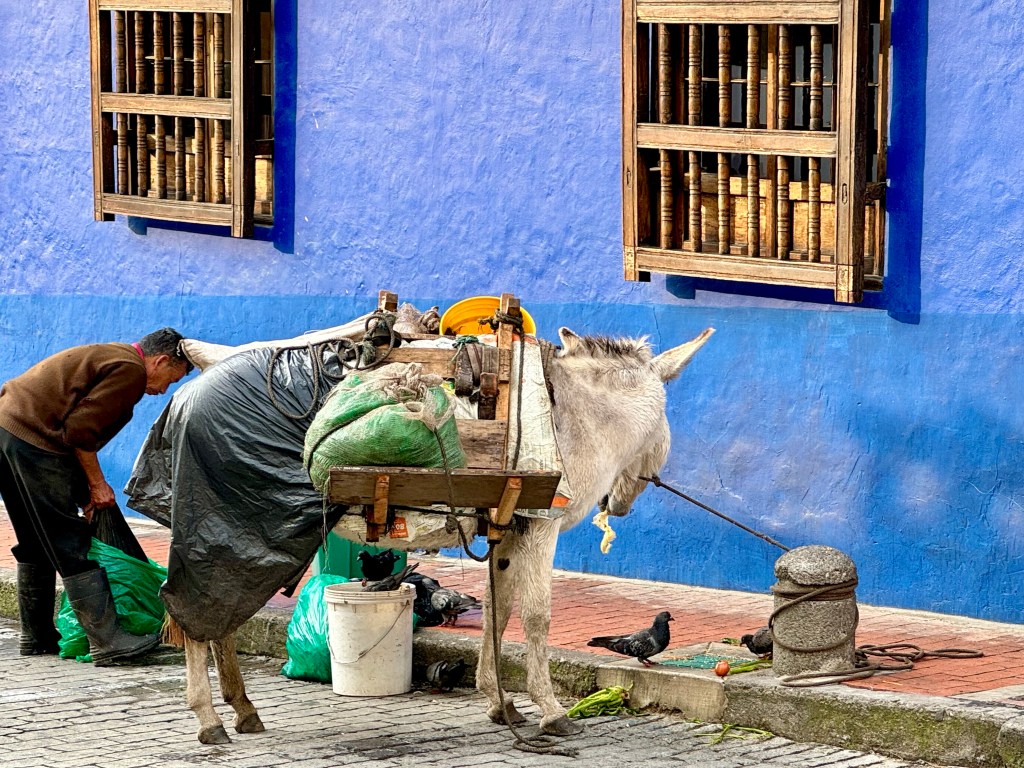
Some photos from our walk:

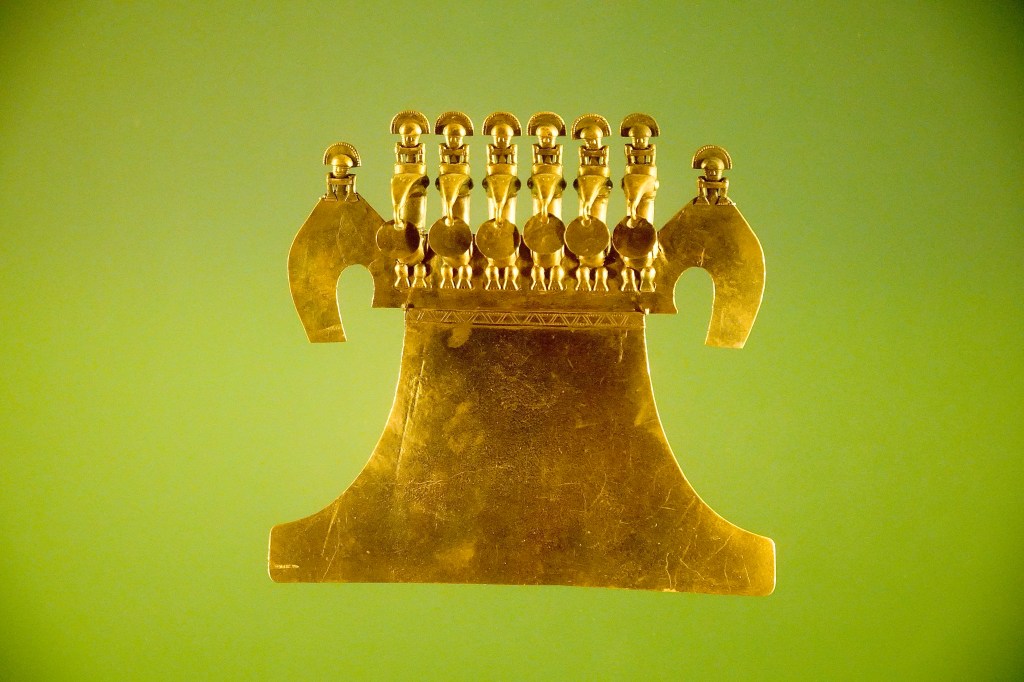
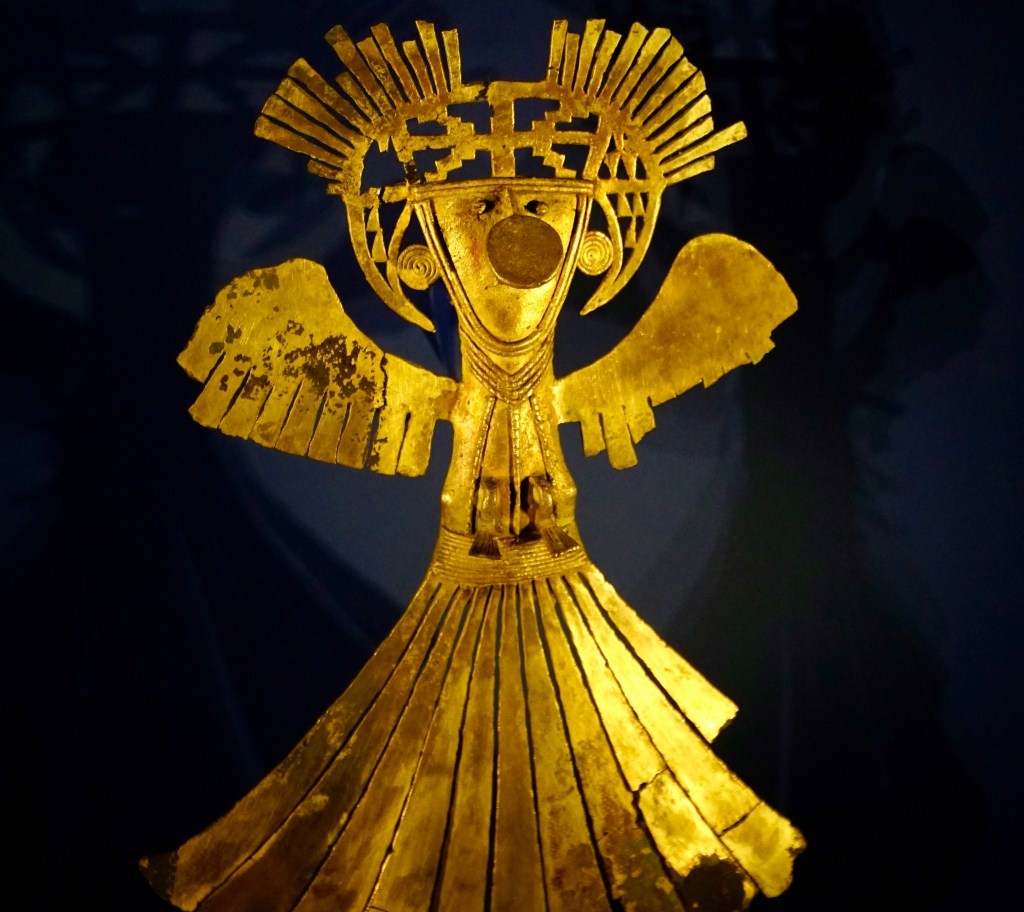
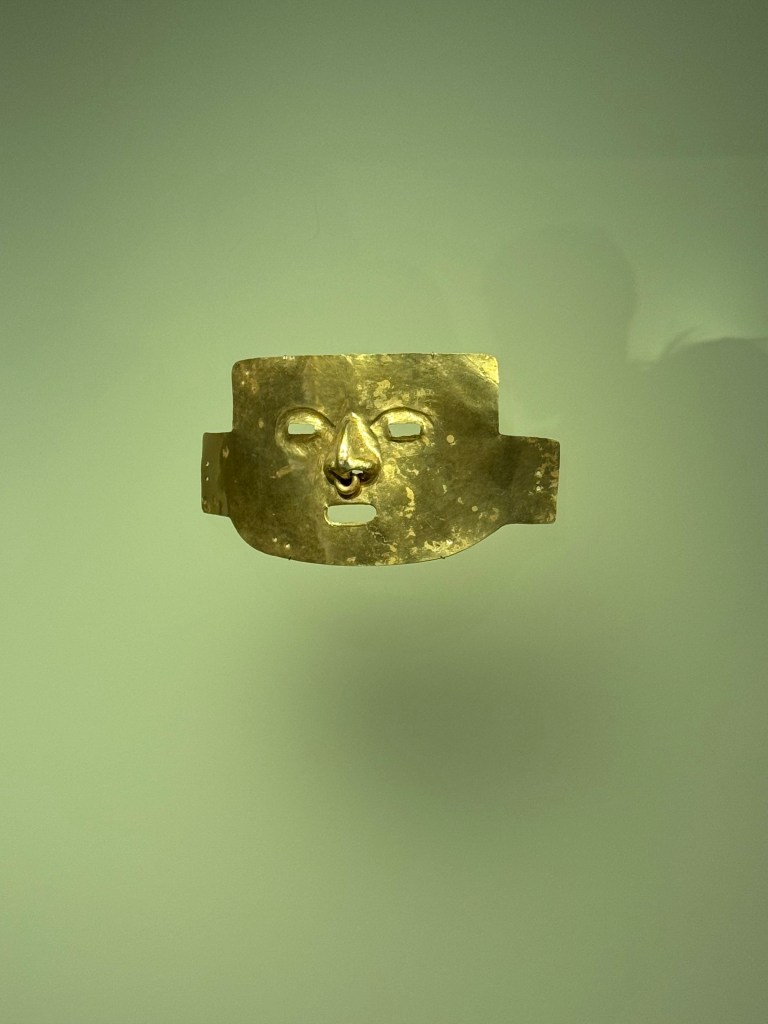
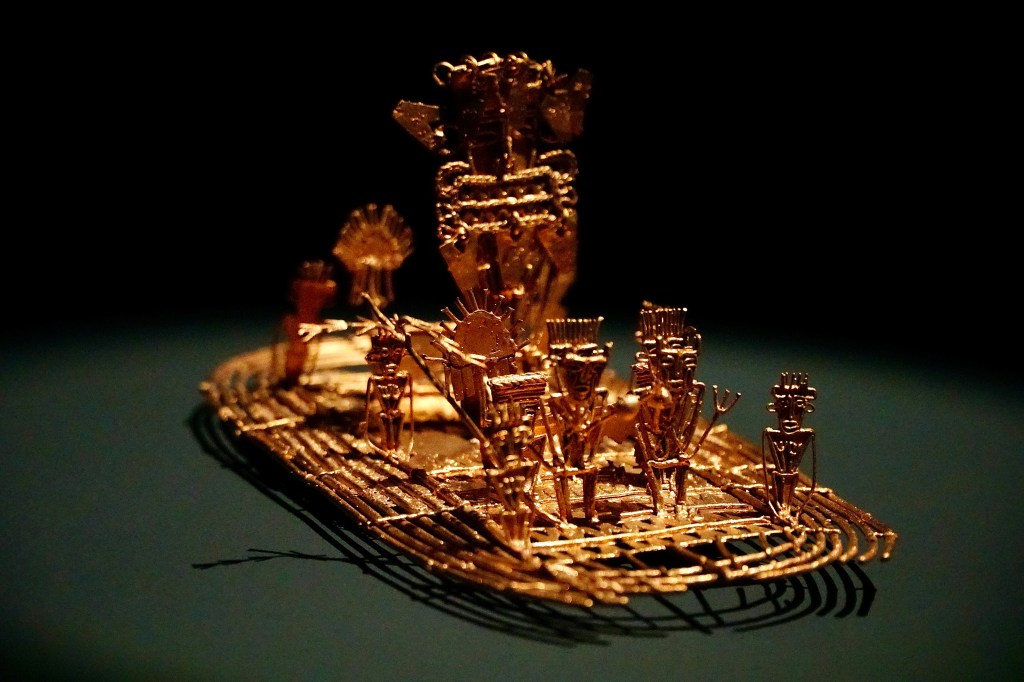
The Gold Museum is filled with over 55,000 pieces of gold from the history of Colombia’s indigenous people groups. The gold was used in their religious rituals and was also a sign of power. When the Spanish came they valued the gold and killed most of the indigenous people to acquire the gold for themselves.

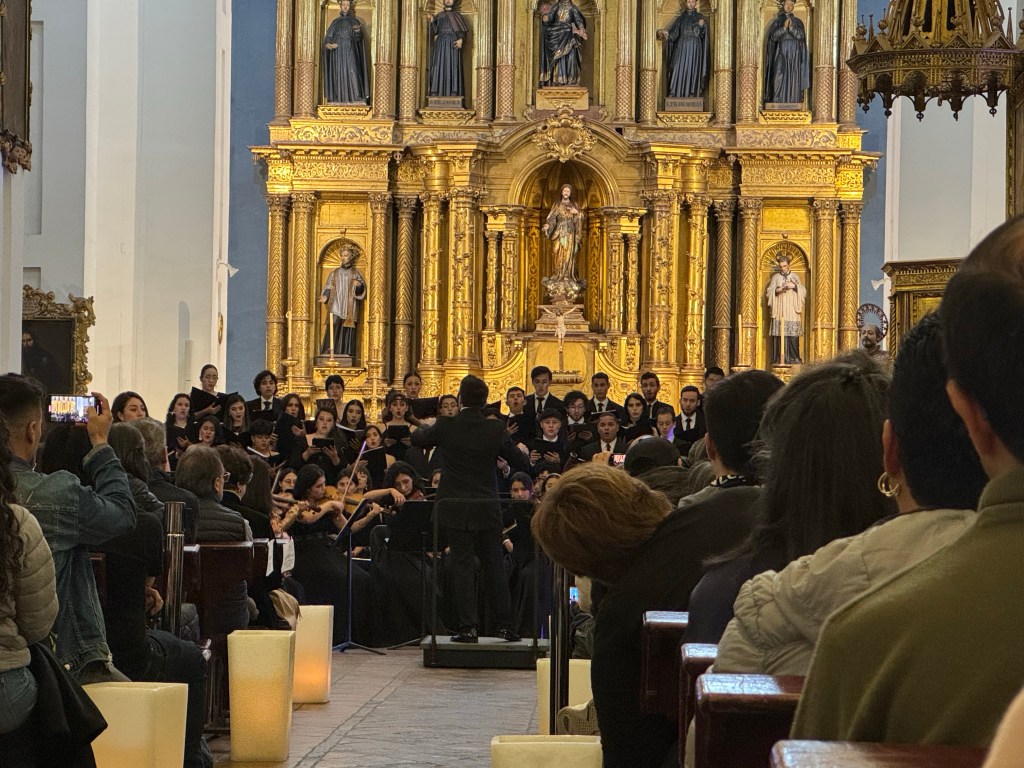
In the afternoon we went to a Sacred Music Concert at the Saint Ignacio Church just a block away from our hotel. It involved the Philharmonic Orchestra of Bogotá and a choir.

Saint Ignacio Church

In the evening we had a presentation by our trip leader concerning the violence and conflicts in Colombia in the 1980’s and 1990’s. We learned about the complex history of the guerrillas, the paramilitaries, drug cartels and the Colombian army. A peace treaty was signed in 2016.

We heard from two guests who were involved in the conflict. The woman was part of a paramilitary group from the age of 12. The man was involved in a guerrilla group. They have left the groups and are helping others to start a new life in society. They are now married after being willing to listen to and understand each other.

Gardens, Food and Street Art

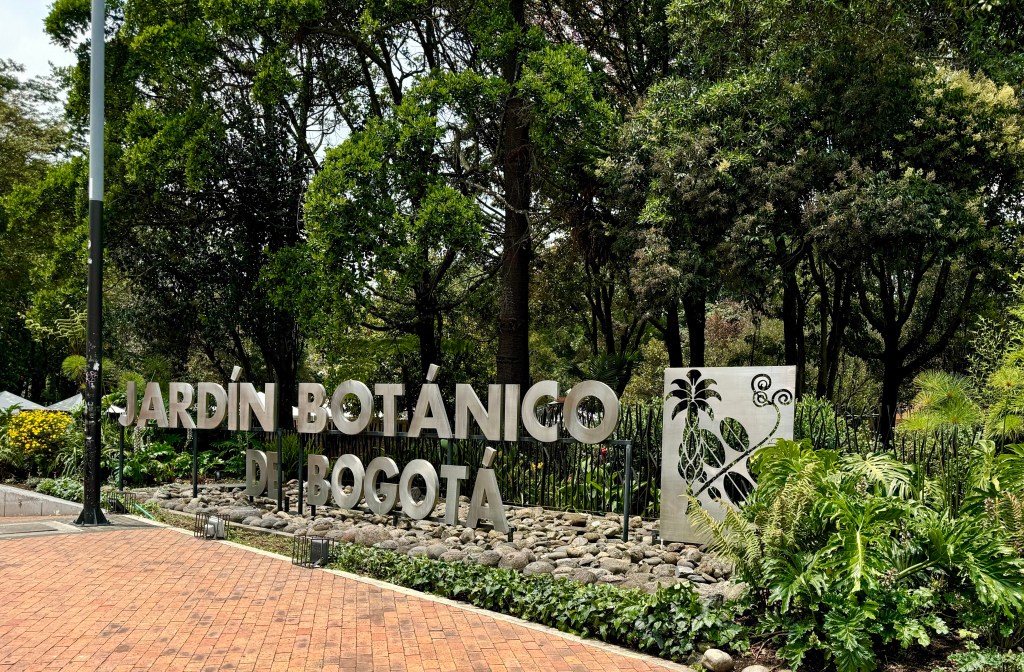
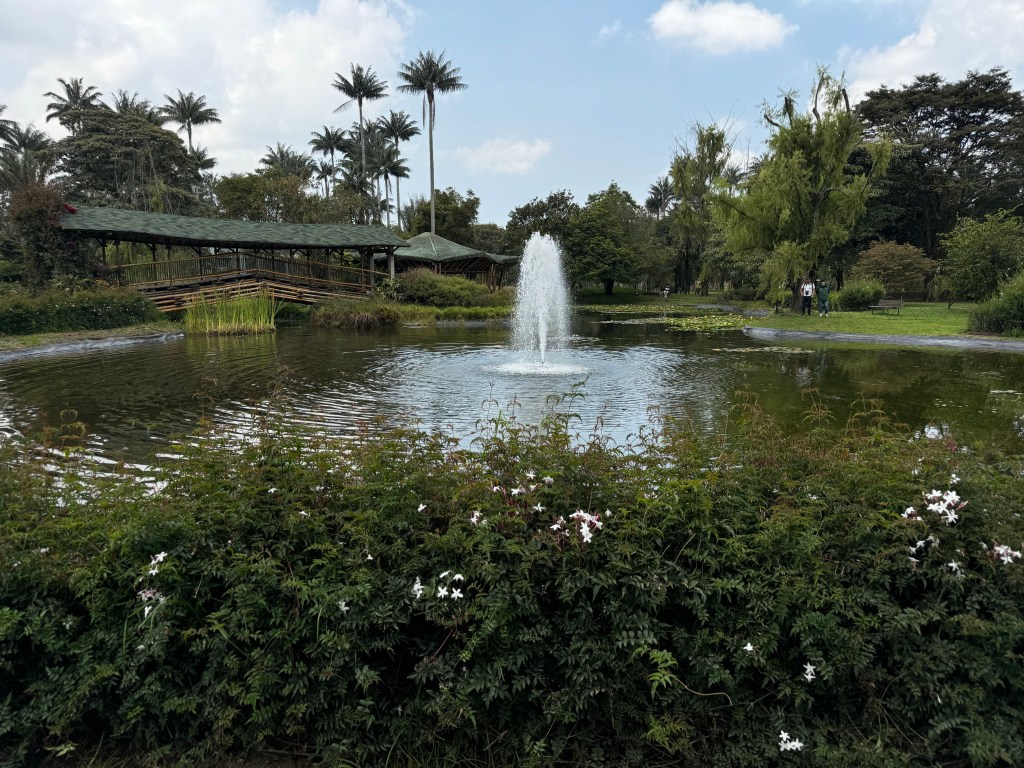
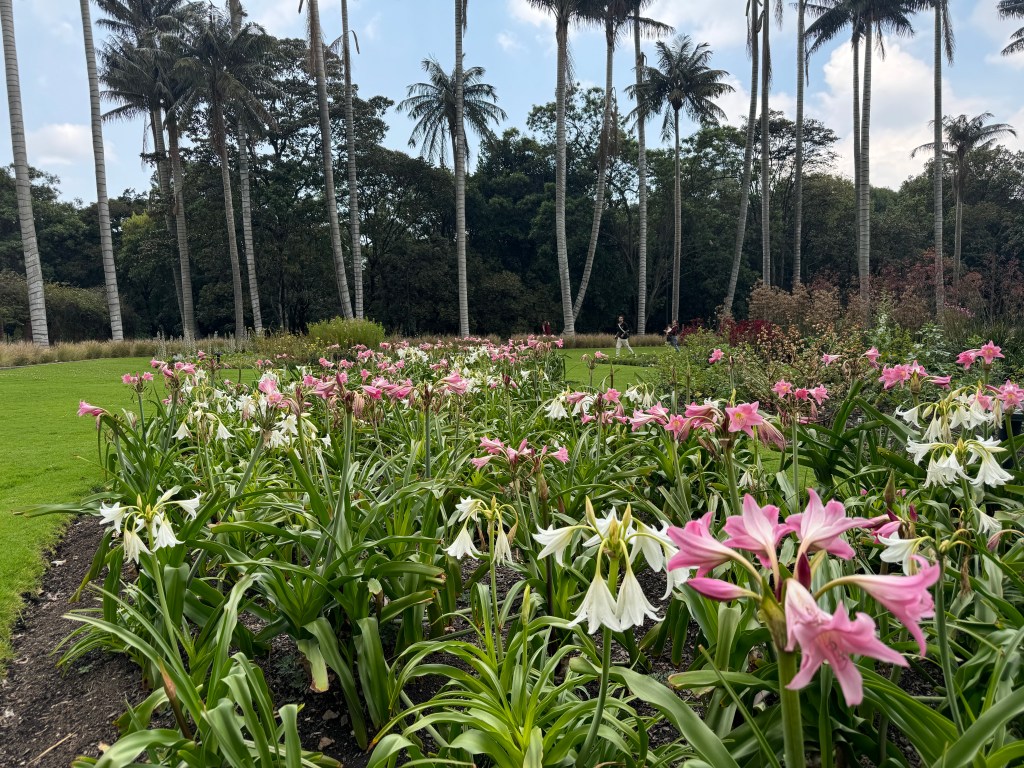
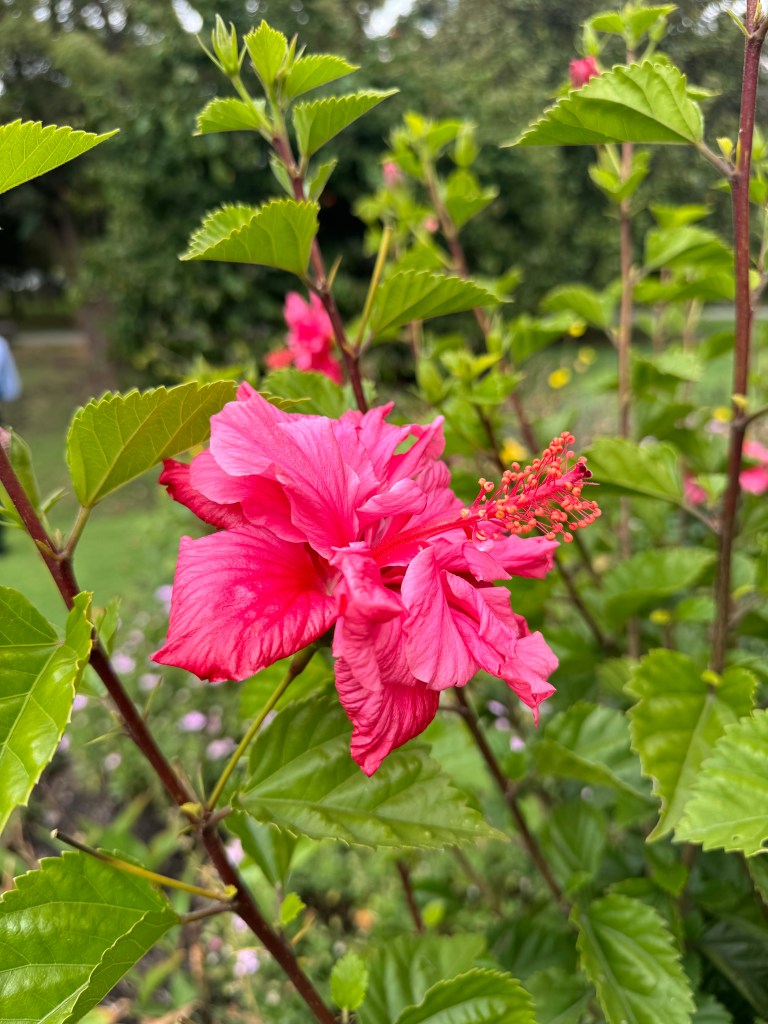
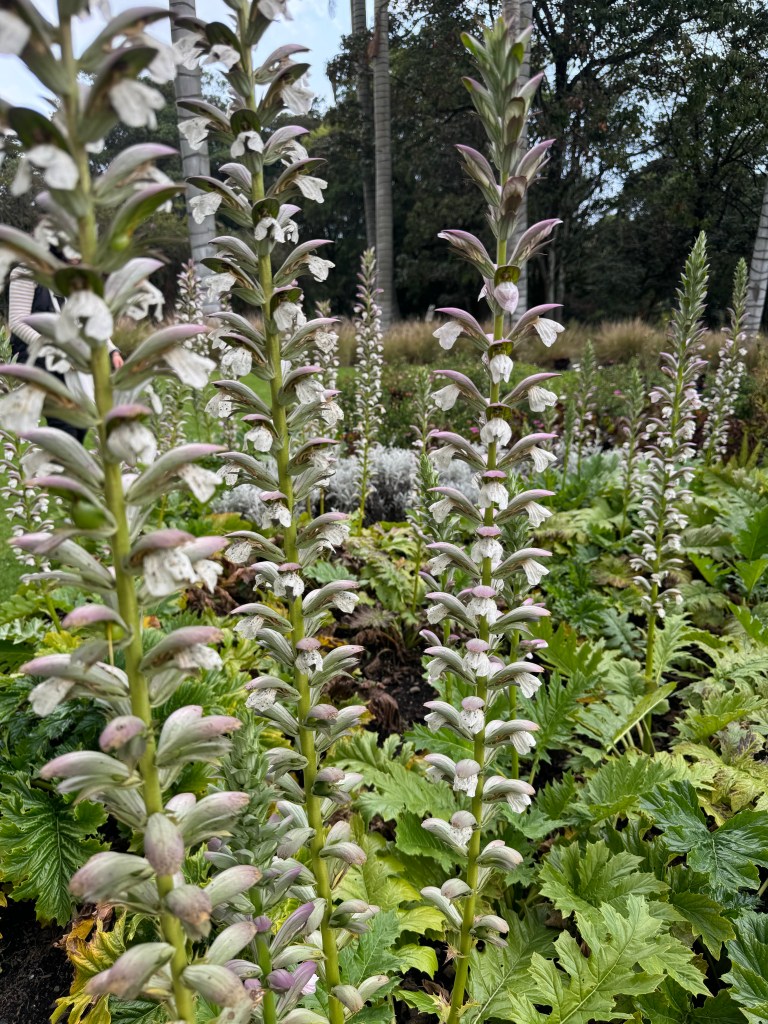
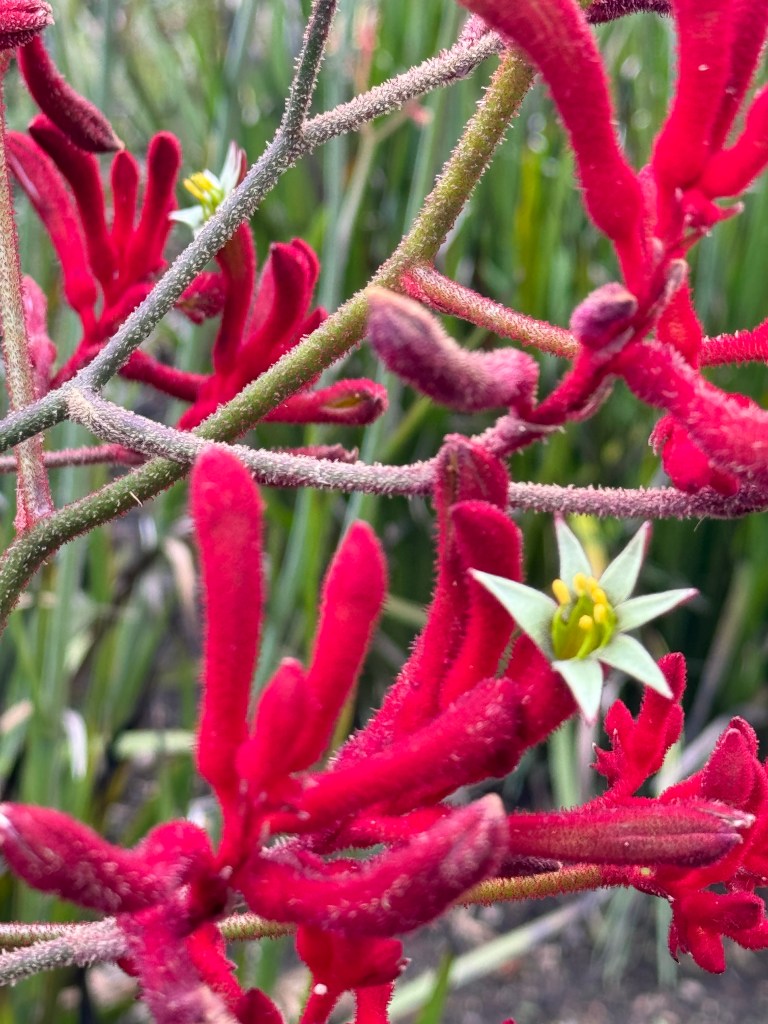
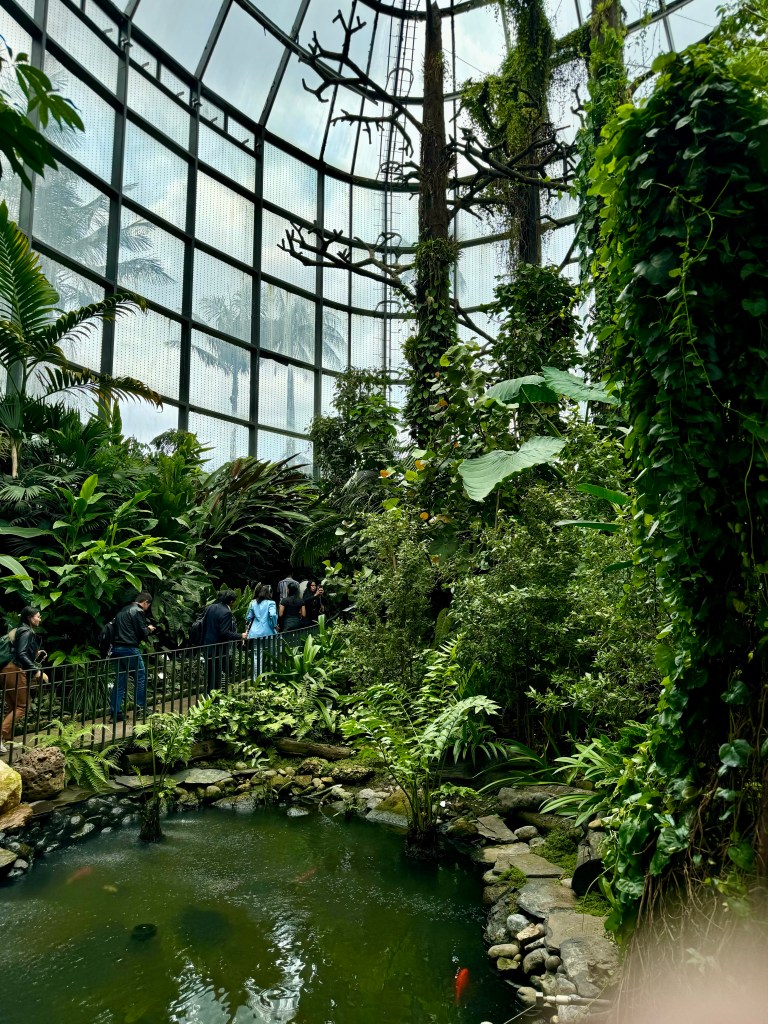
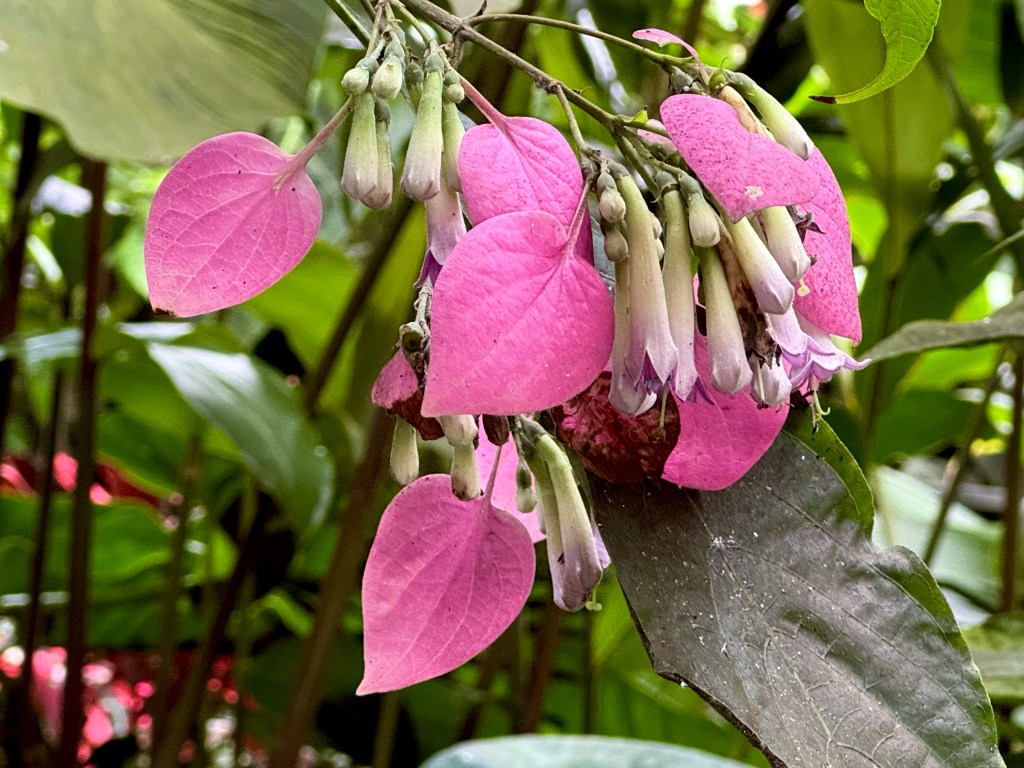
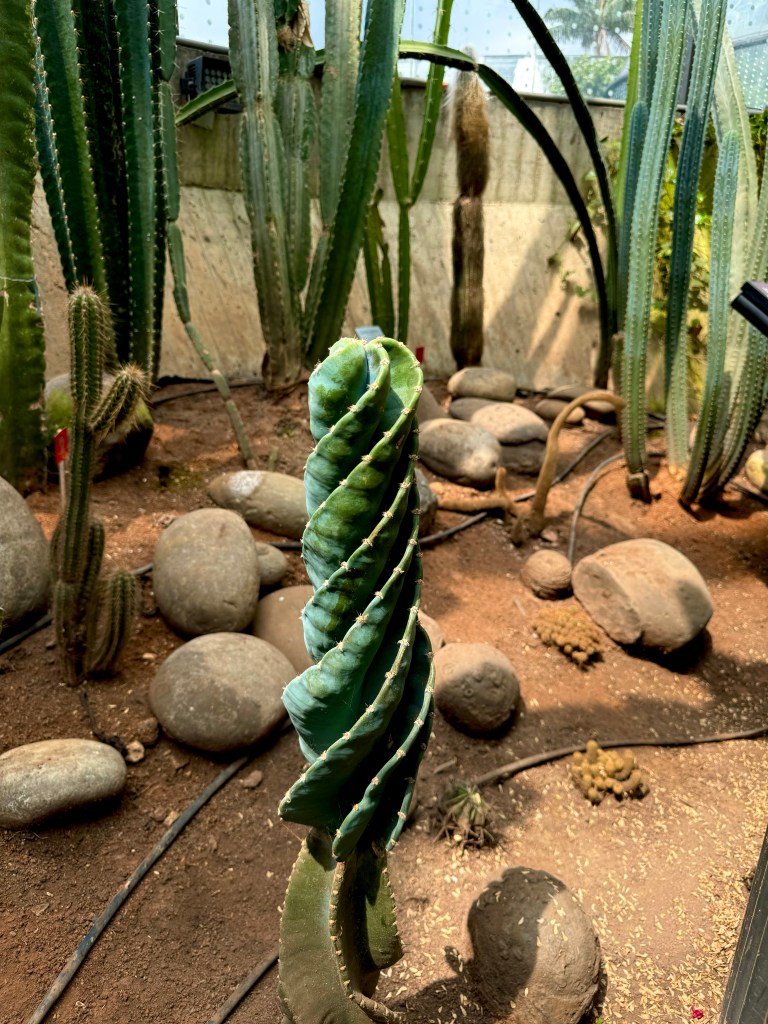
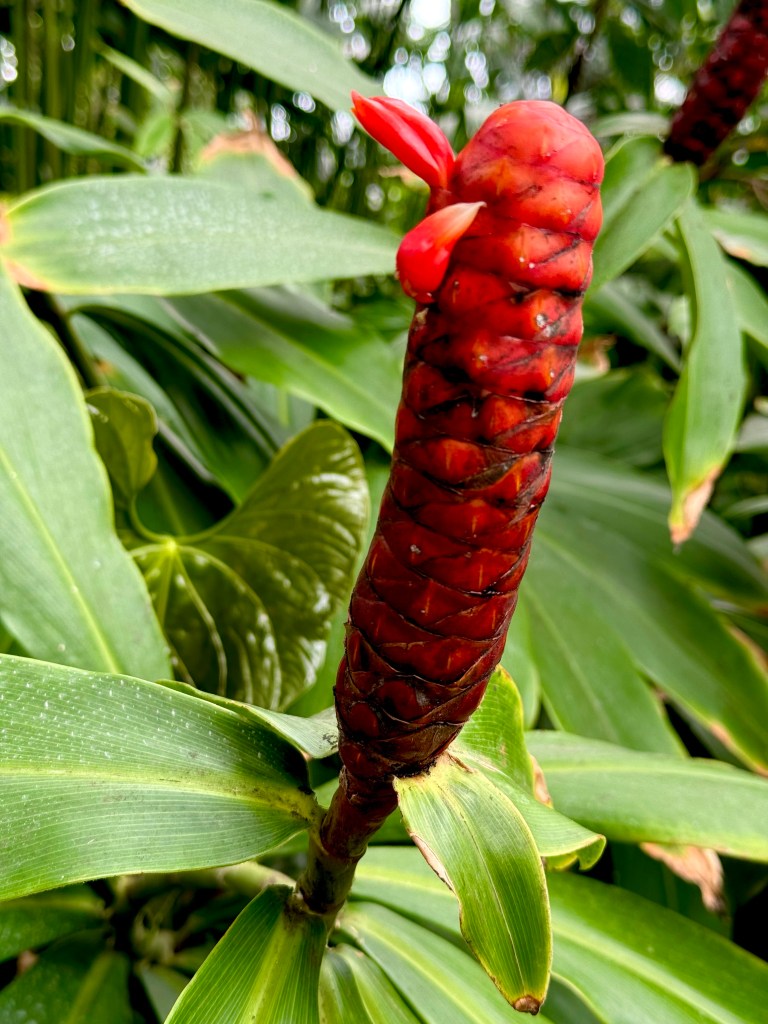
We had a free day today in Bogota and decide to go to the Botanical Gardens of Bogotá. Wandering the gardens was a peaceful delight. Plants from all of the Colombian ecosystems were featured.

There are large Tropical Greenhouses with amazing displays of all the ecosystems.

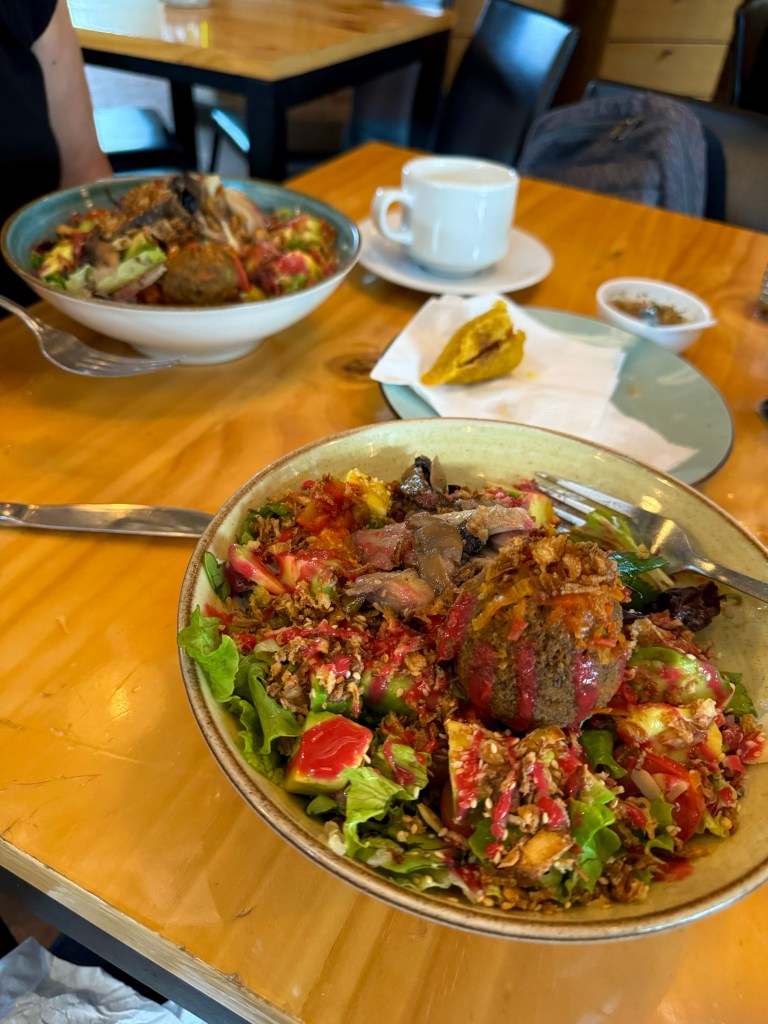
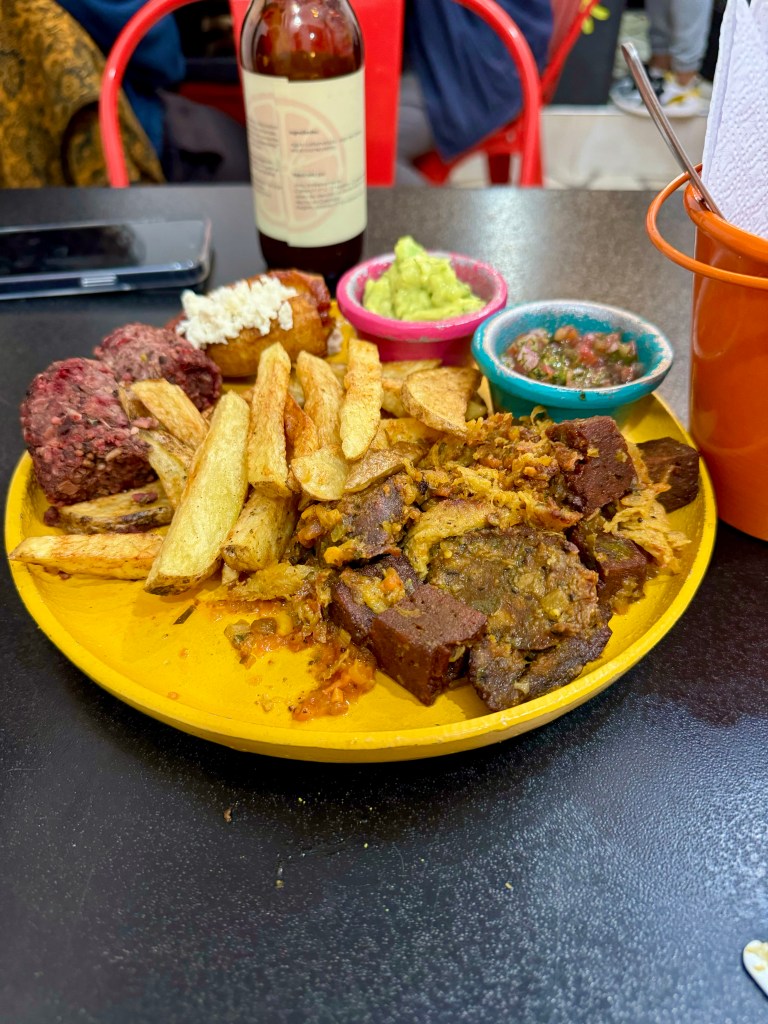
We ate lunch at the cafe in the gardens. We had a tasty vegan salad. Later for dinner we found a cute little vegan restaurant called Maria Candela.

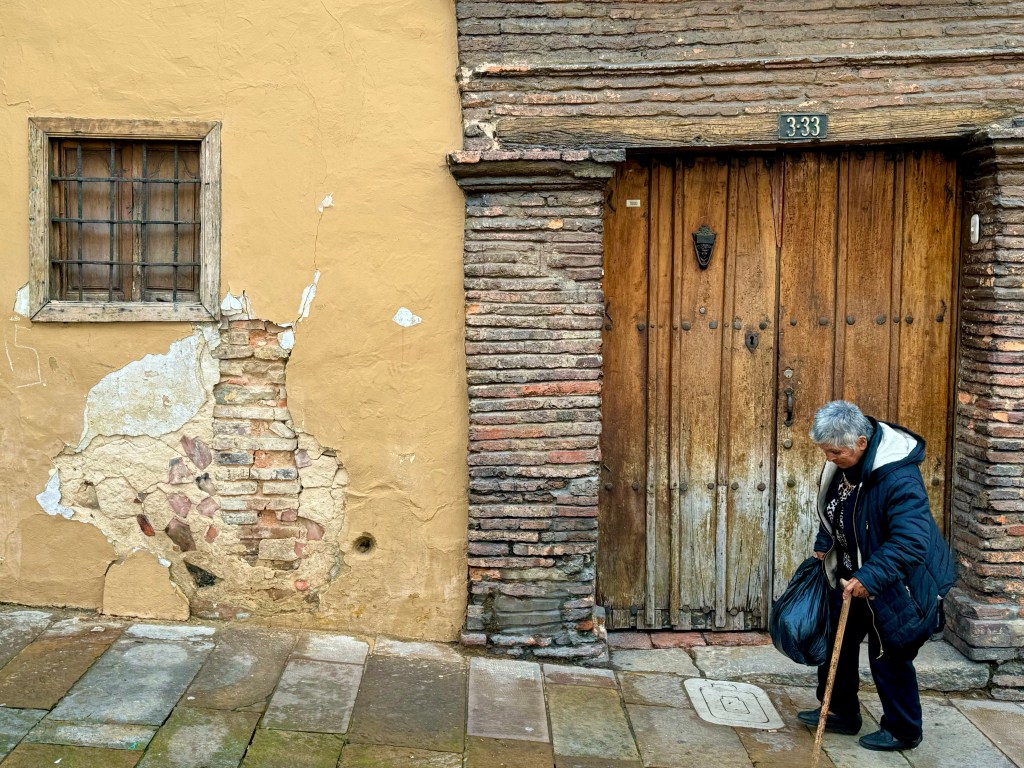
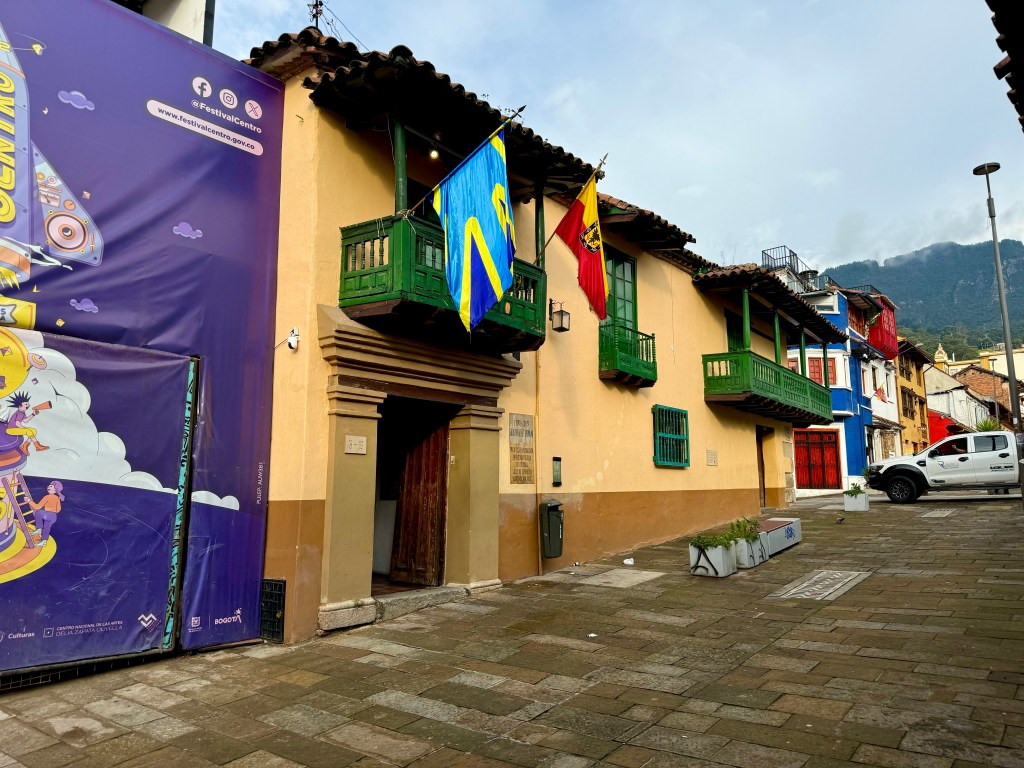
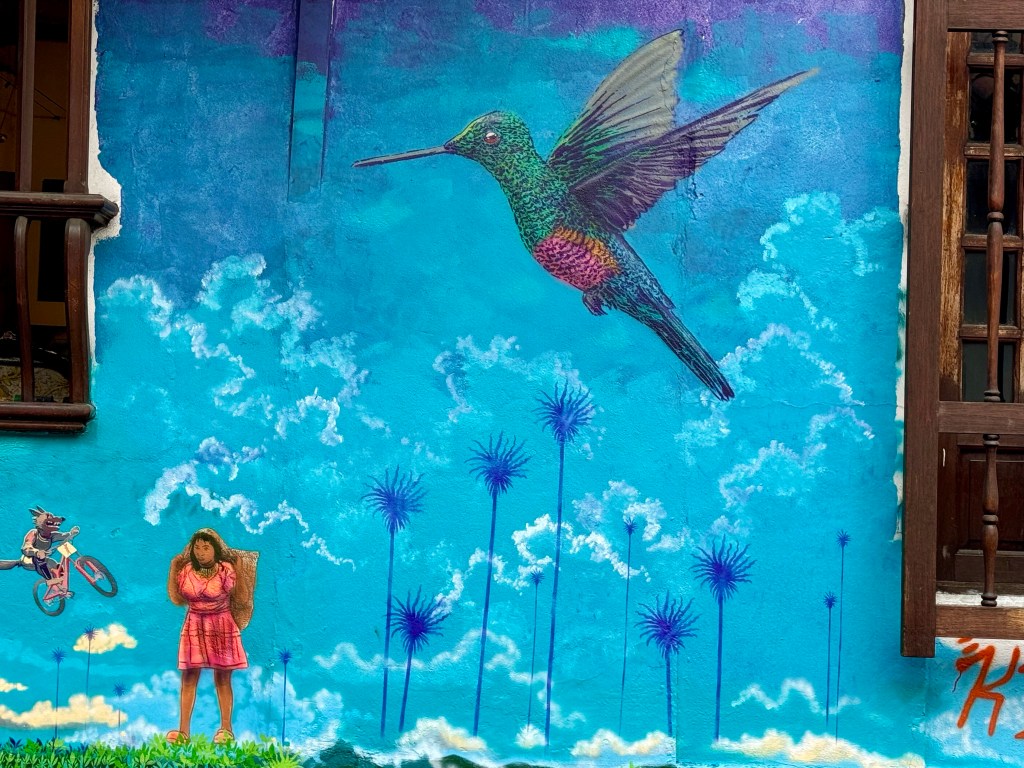
We took a walk around our hotel’s historic La Candelaria neighborhood. Its architecture is from the Spanish Colonial era. We delighted in the street art on the buildings.

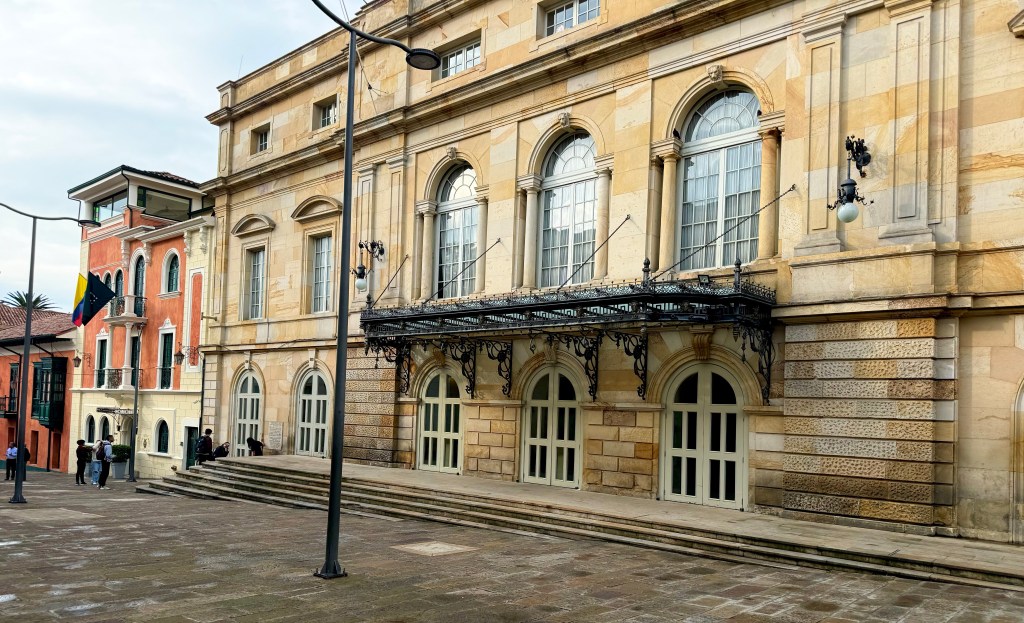
The historic theater, Teatro Colón, right next to our hotel, Hotel de la Opera.

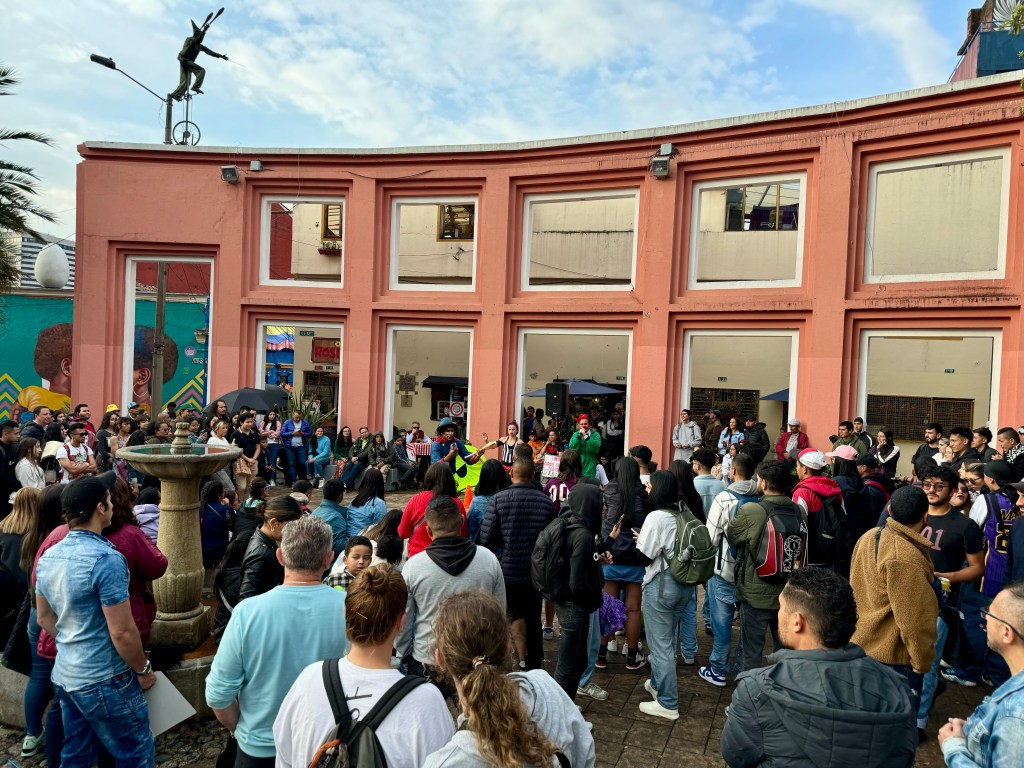
Following a walking tour from the guidebook, we came upon the streets filled with people walking and congregating at the bars and at the cute Plazoleta Chorro de Quevedo. It was definitely where the action is.